

My three-day trip to Taipei has officially begun, and naturally I’m also taking the opportunity to mattress-run a bunch of IHG promotions, including the double elite night offer. Marriott actually has quite a strong footprint in Taipei, including the Instagram-worthy W, but with IHG there wasn’t much to debate: the two main luxury options in the city centre are the Regent and the Kimpton, so I decided to try both.
From Songshan Airport (TSA), I took the MRT with one transfer to Zhongshan Station for the Regent hotel. It was only four stops in total, but somehow felt exhausting, mostly because the transfer at Nanjing Fuxing Station completely disoriented me. Add rush hour crowds and Taipei’s already humid weather, and I immediately regretted not just taking a taxi.
Zhongshan is probably one of the busiest and most convenient areas in Taipei. Both the Green and Red MRT lines are extremely useful, with direct access to Taipei 101, Ximending, Chiang Kai-shek Memorial Hall, Shilin (for the National Palace Museum), Beitou (hot springs), Tamsui, and more. That said, the Regent itself isn’t especially close to the station, requiring you to cross a major road, and the steep slope right outside the hotel entrance also makes it slightly less convenient than expected.
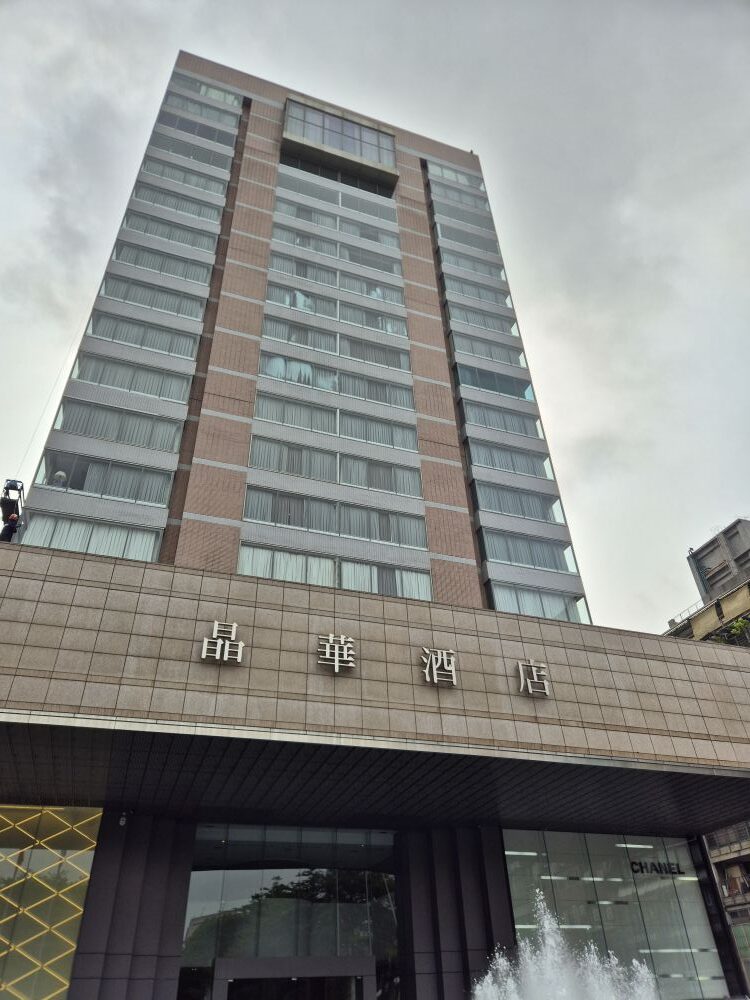
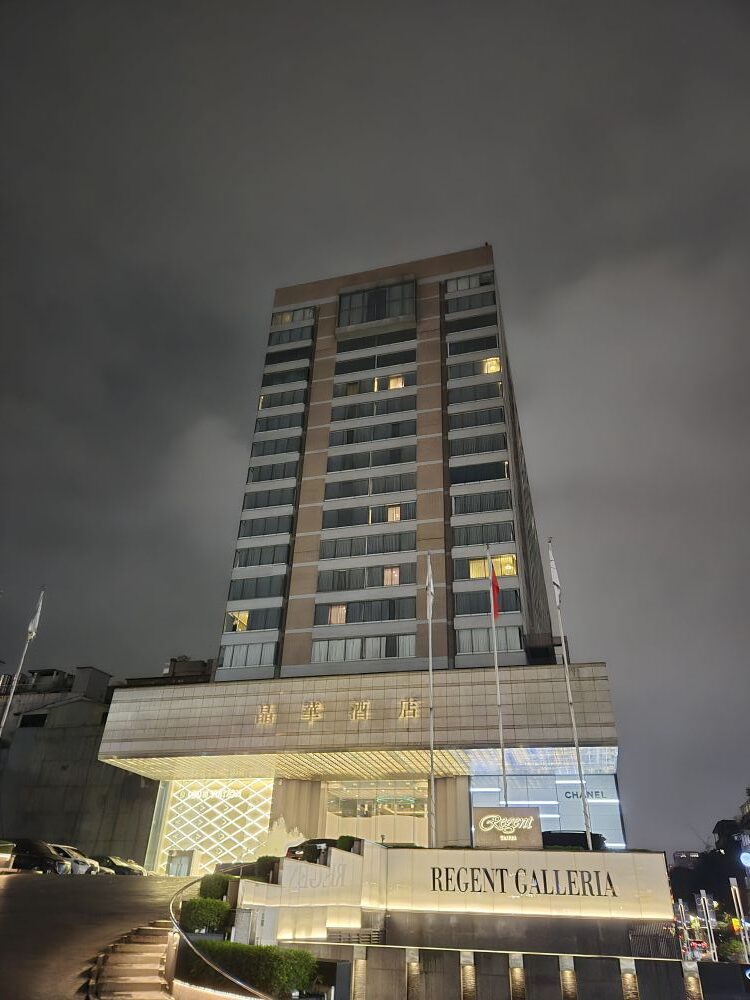
The Regent Taipei opened back in 1990, and it definitely feels like an old grand hotel from the outside. Interestingly, this is the only Regent hotel in Greater China with a different brand name: 晶华 instead of 丽晶, anecdotally based on their own branding vision.
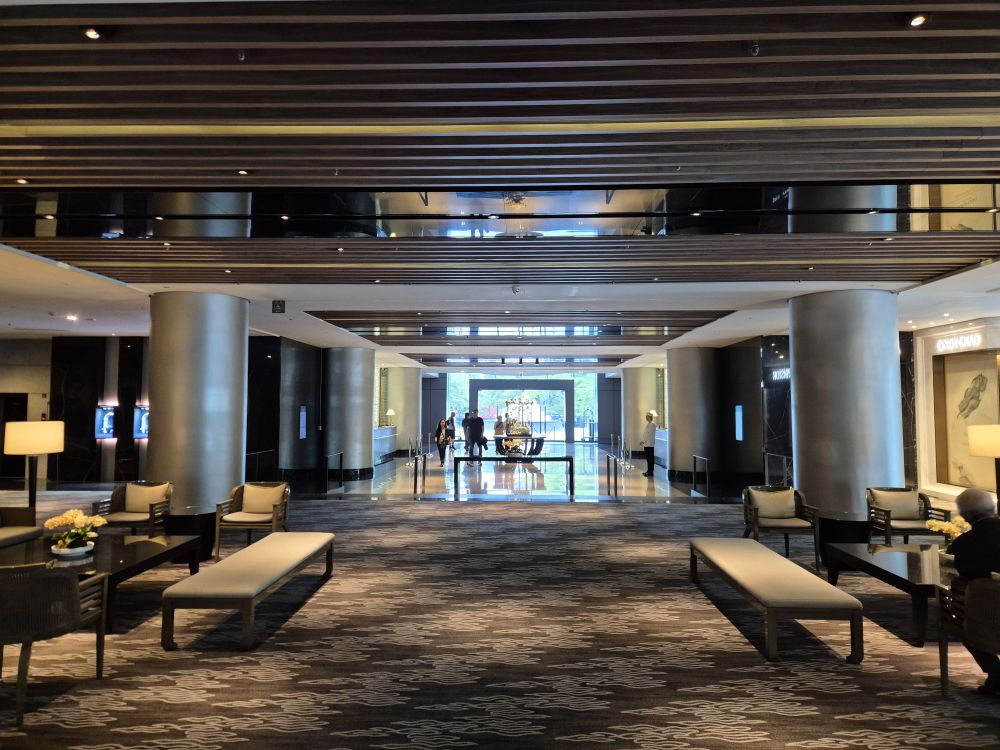
The lobby has a very traditional (/dated) luxury-hotel feel, honestly quite similar to many older upscale hotels in mainland China.
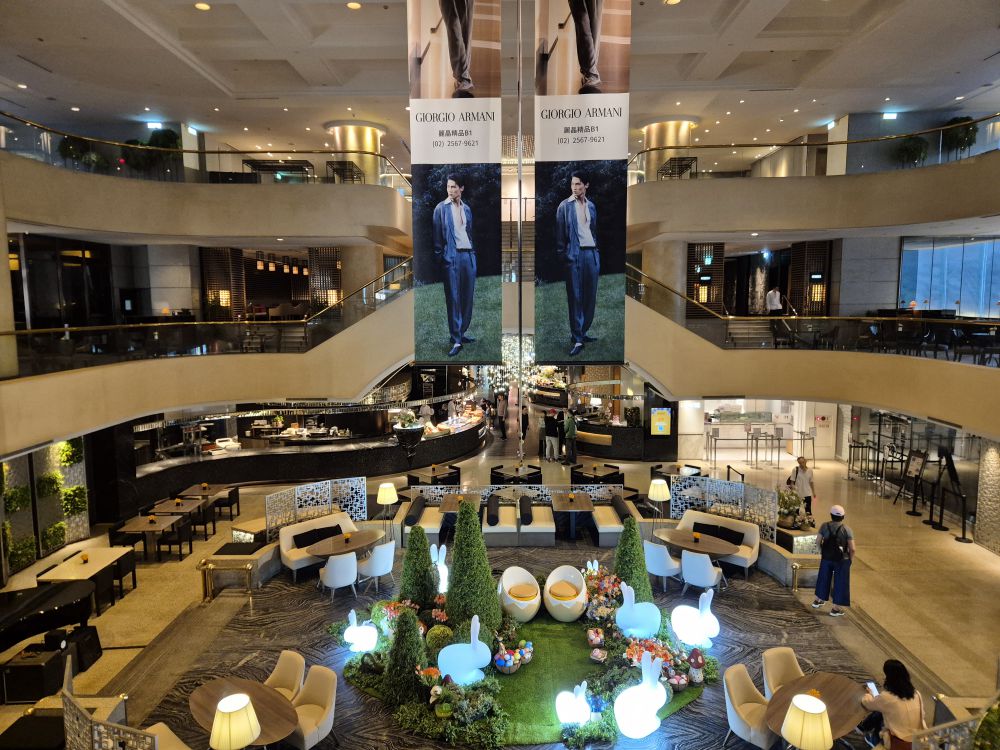
Aside from its history, another defining feature of the Regent is its luxury shopping arcade, which has long been one of Taipei’s go-to destinations for affluent shoppers.
And yes, they still use actual physical keys here, which is becoming increasingly rare nowadays.
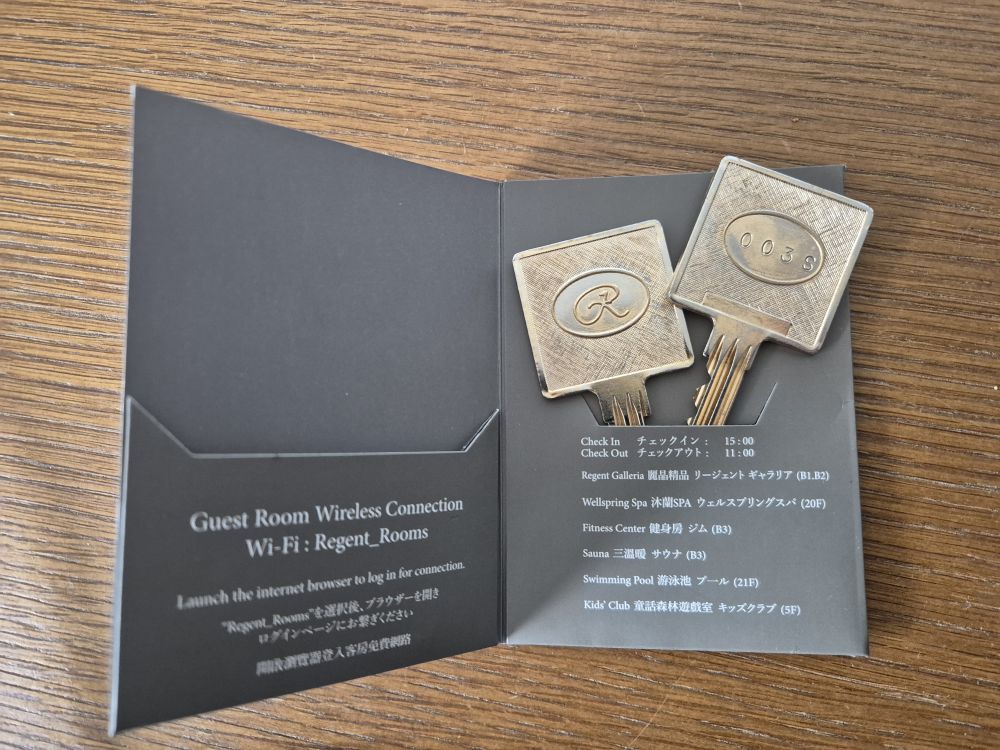
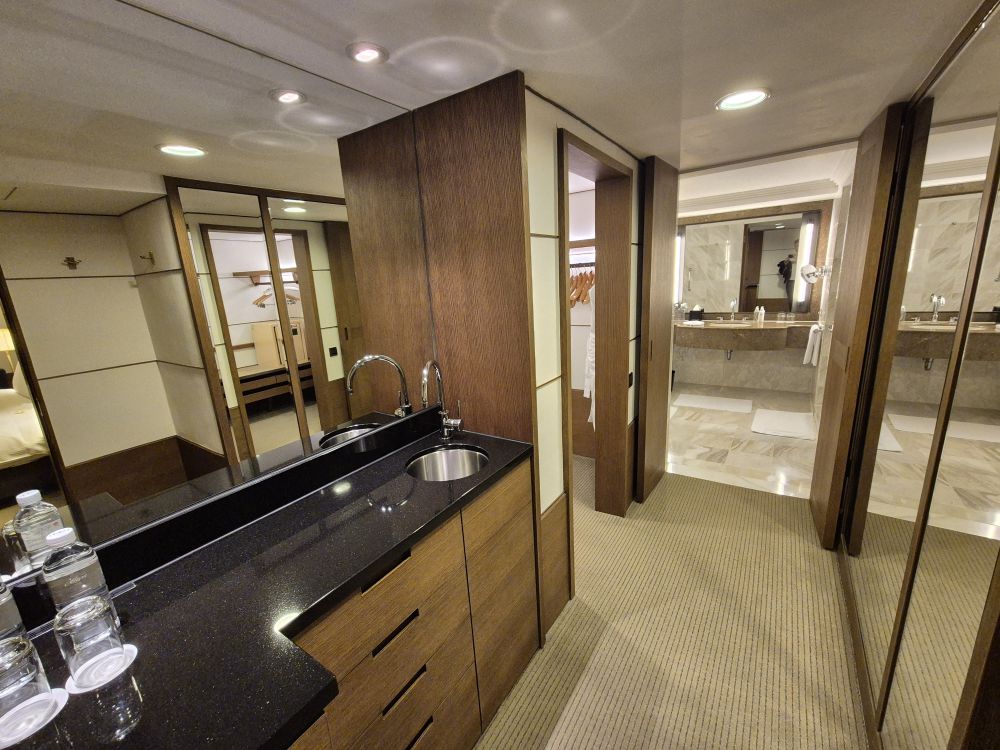
My room was upgraded by one category to a city-view king room, which was slightly larger than the base category.
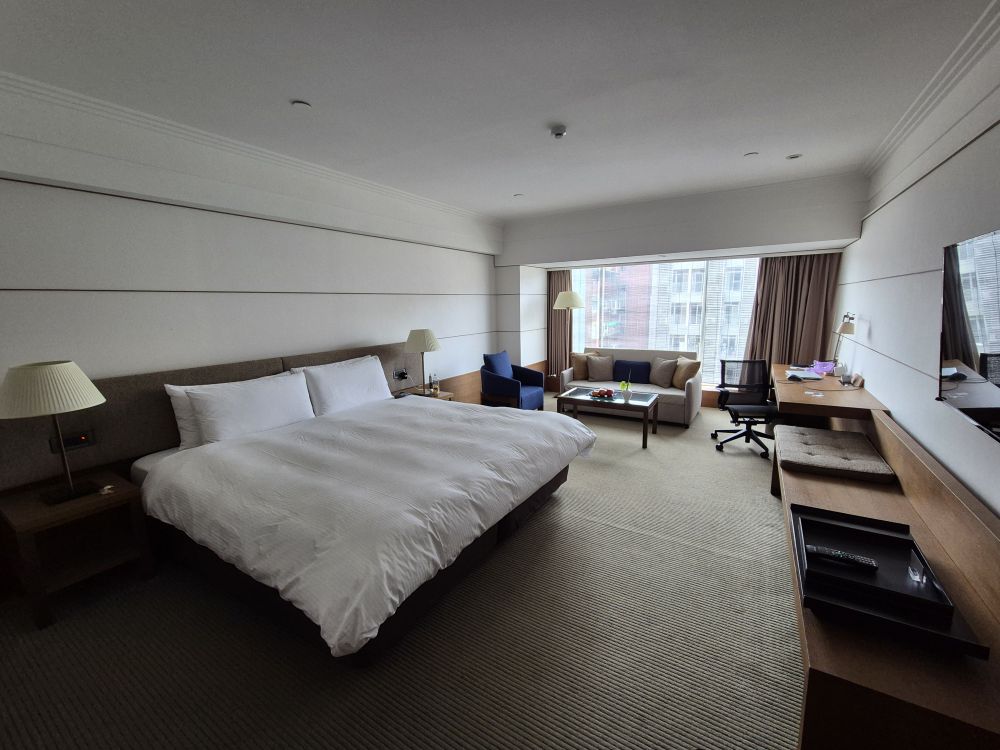
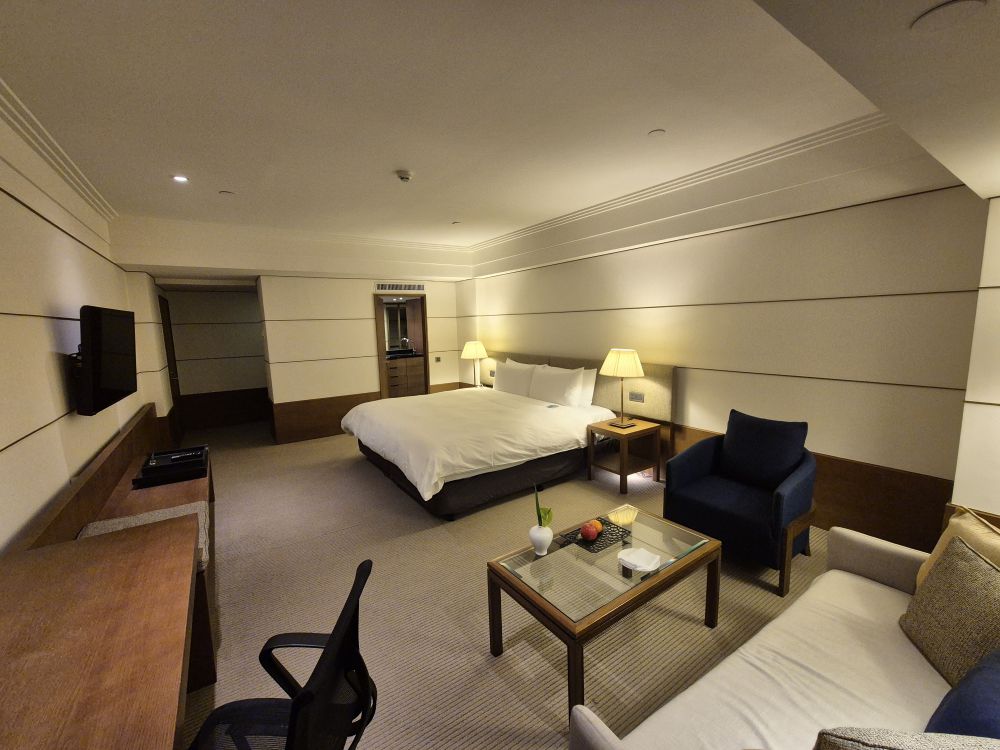
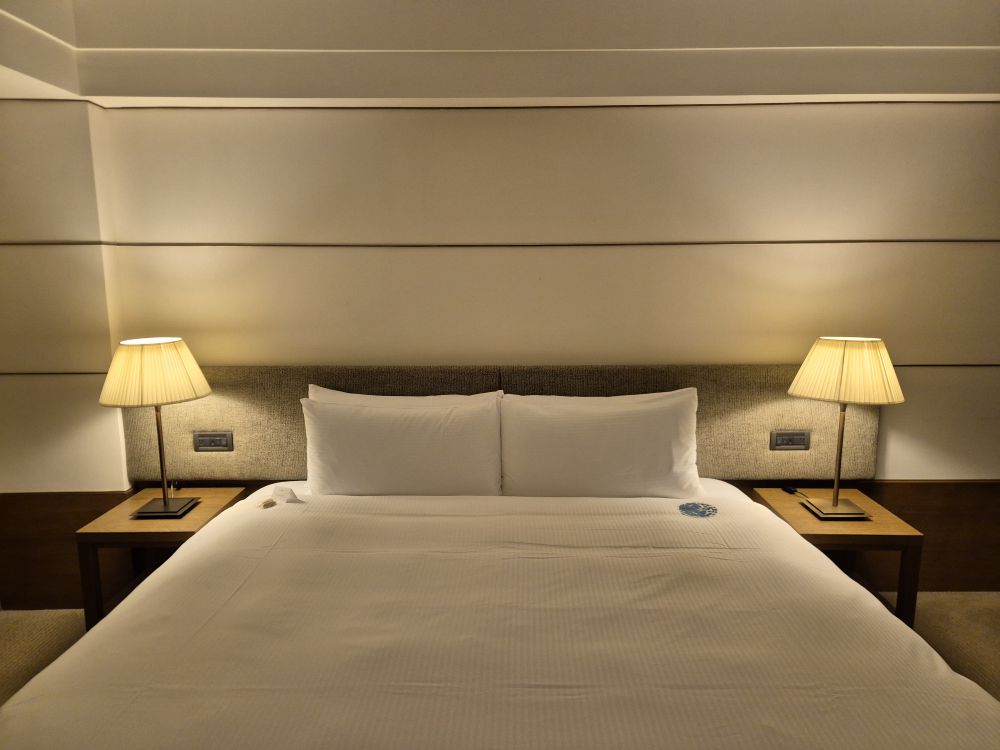
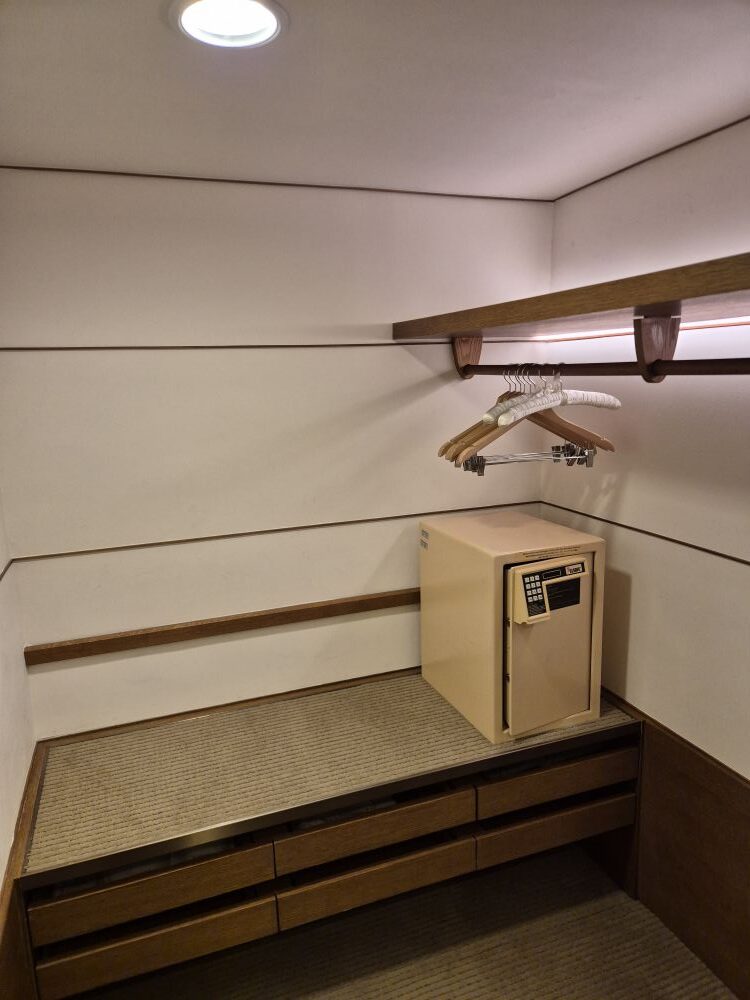
Compared to the entry-level rooms, the main addition seemed to be a small kitchenette and dressing area.
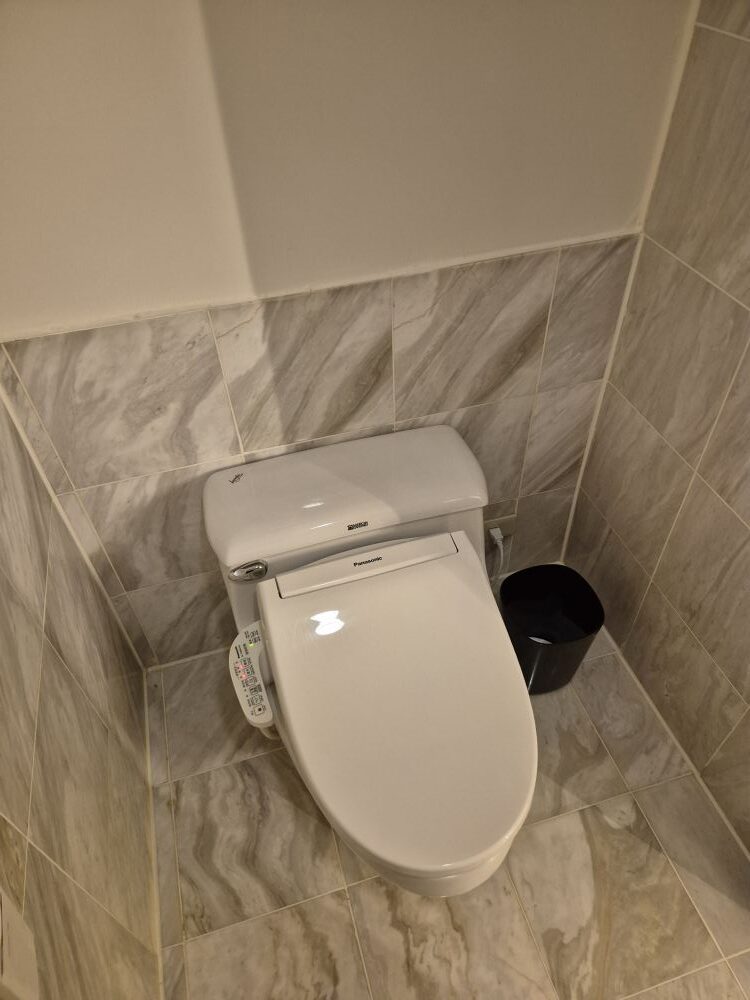
Now for the bathroom. One small cultural shock during this Taipei trip was discovering that even the public toilets at Tamsui MRT Station had smart toilets installed, and they were spotless and extremely well-equipped.
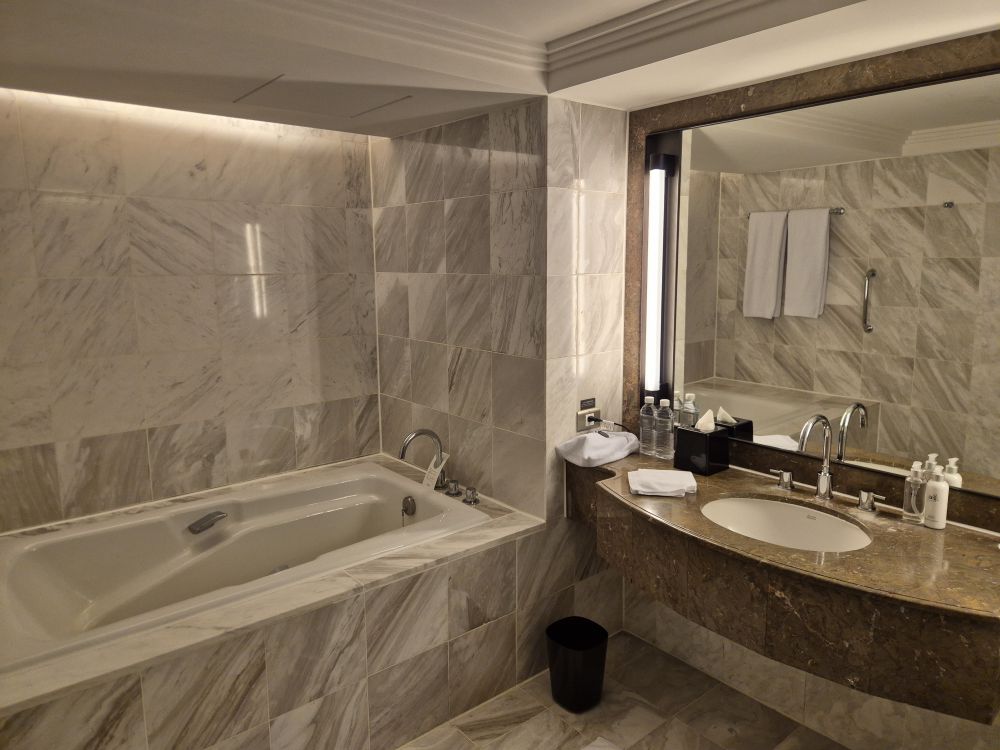
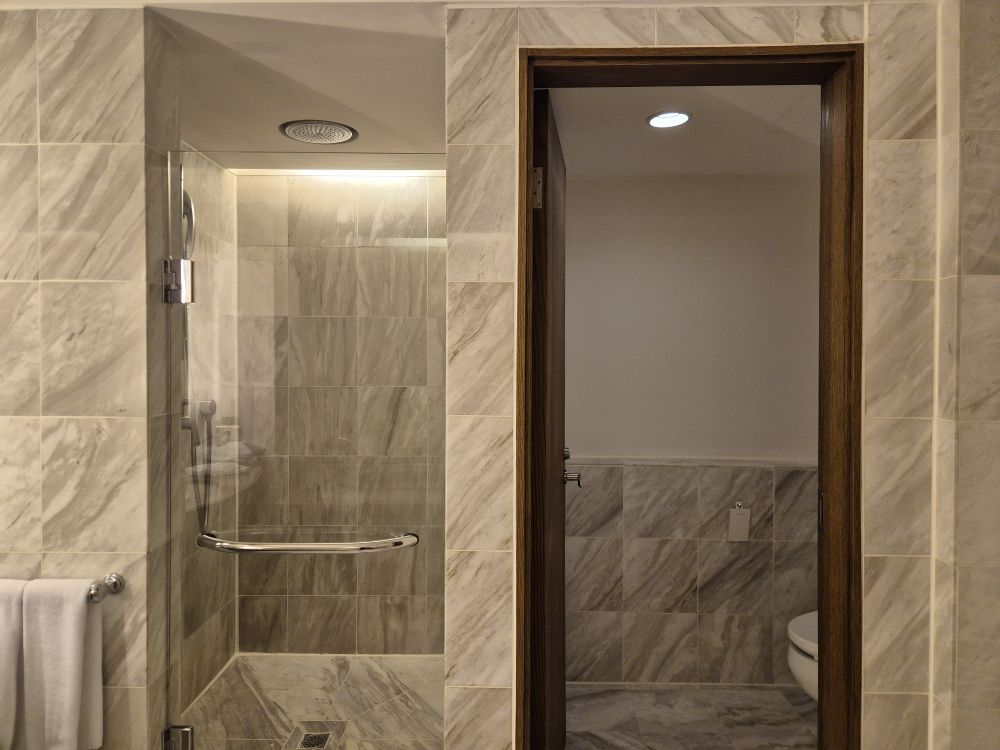
The room style does feel a little old-fashioned, but in a very orderly and dignified way rather than outdated. I’d read countless comments about how incredibly firm the beds were, and upon first sitting down: wow, people really weren’t exaggerating. But in practice it didn’t affect my sleep quality at all, despite the fact that I usually prefer softer mattresses.
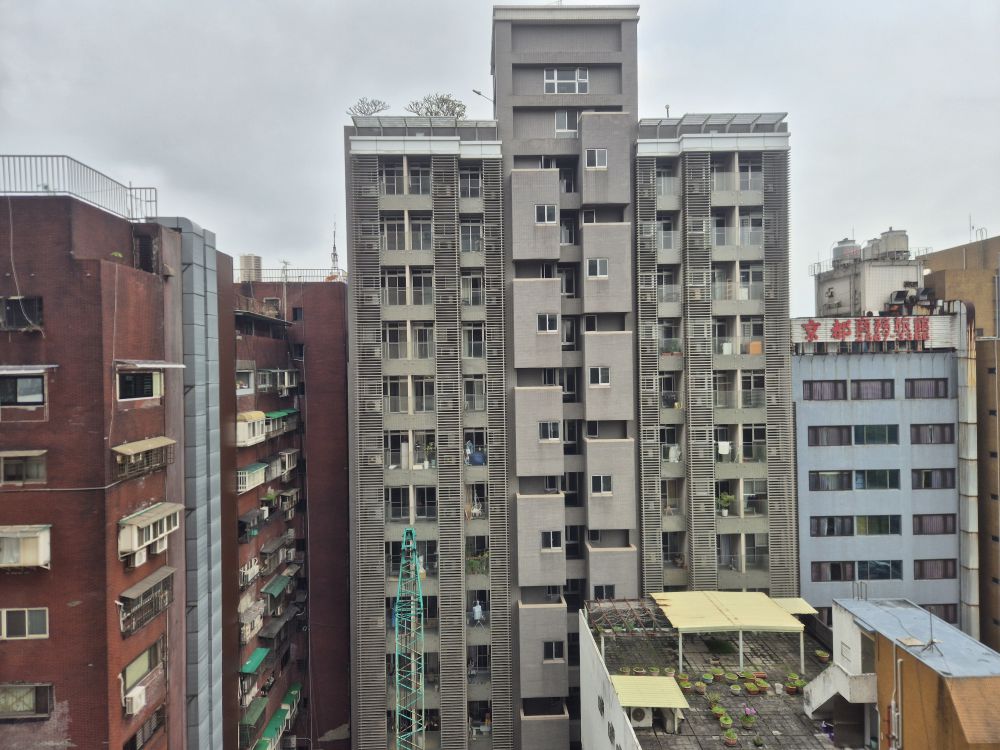
The so-called “city view”:
After settling in, I walked over to Ningxia Night Market nearby to grab some food before coming back to check out the rooftop outdoor swimming pool.
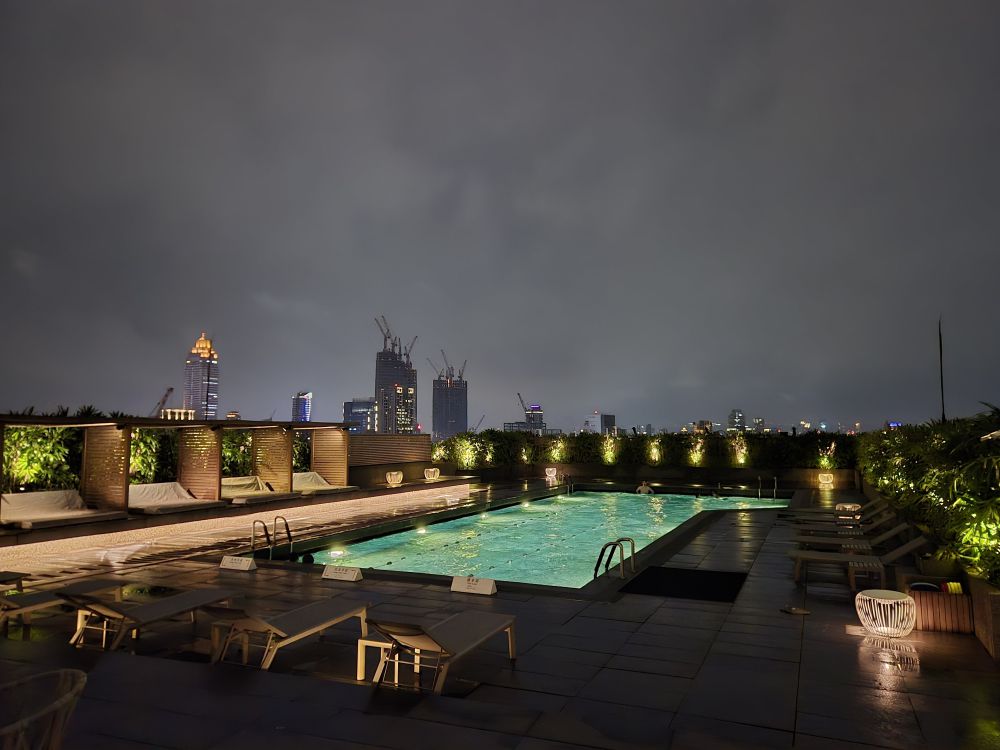
The facilities were actually quite decent, and Taipei was already fairly warm even in April.
But the main attraction I wanted to try was the underground Sanwennuan (sauna & spa). Apparently the spa has won quite a few awards over the years.
It was too crowded to take photos, but the setup was essentially a standard combination of sauna rooms, steam rooms, and hot/cold pools. Still, it was genuinely excellent, and I ended up going both evenings to relax.
Another highly praised aspect of the Regent is the breakfast, so naturally I had to check it out. The breakfast restaurant itself looked lovely.
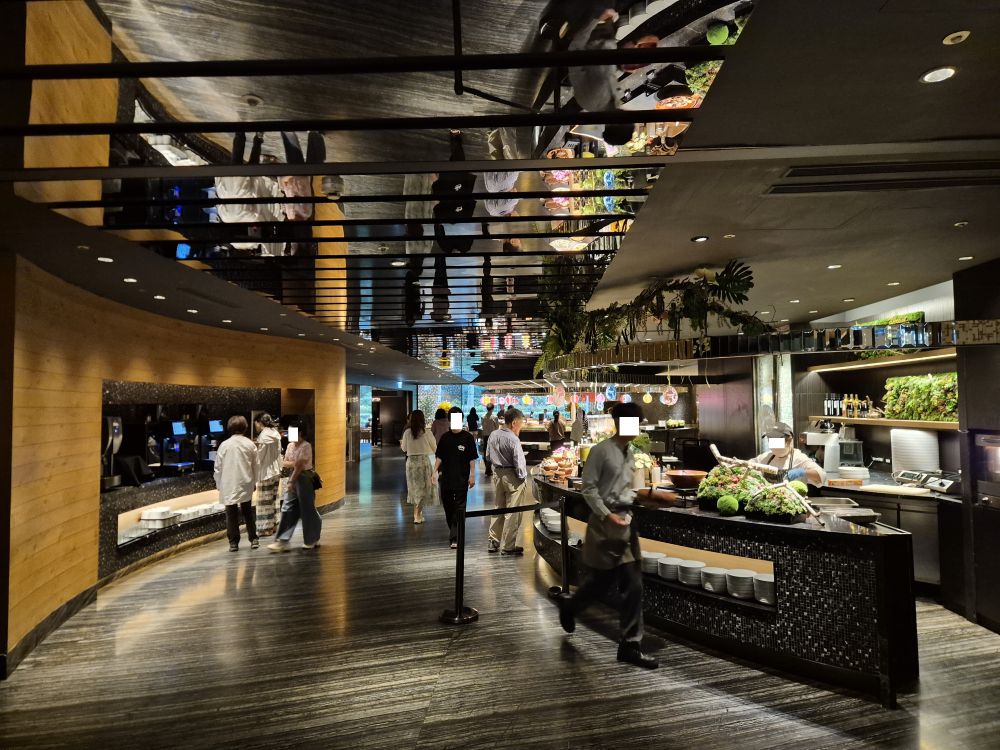
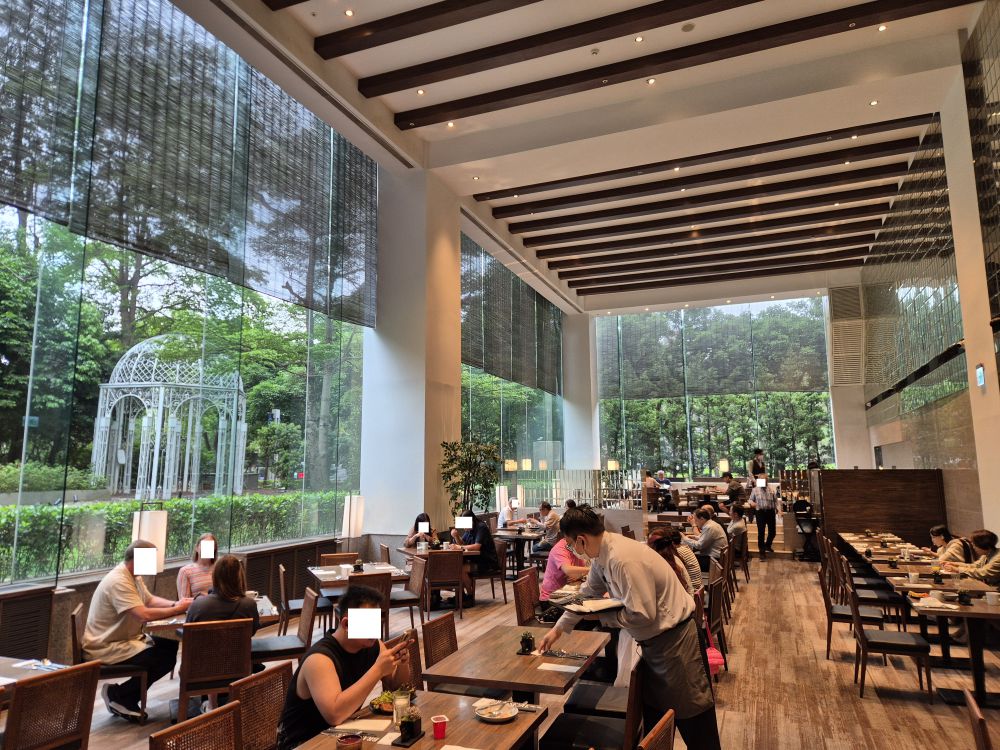
Everything was buffet-style, with a very extensive spread.
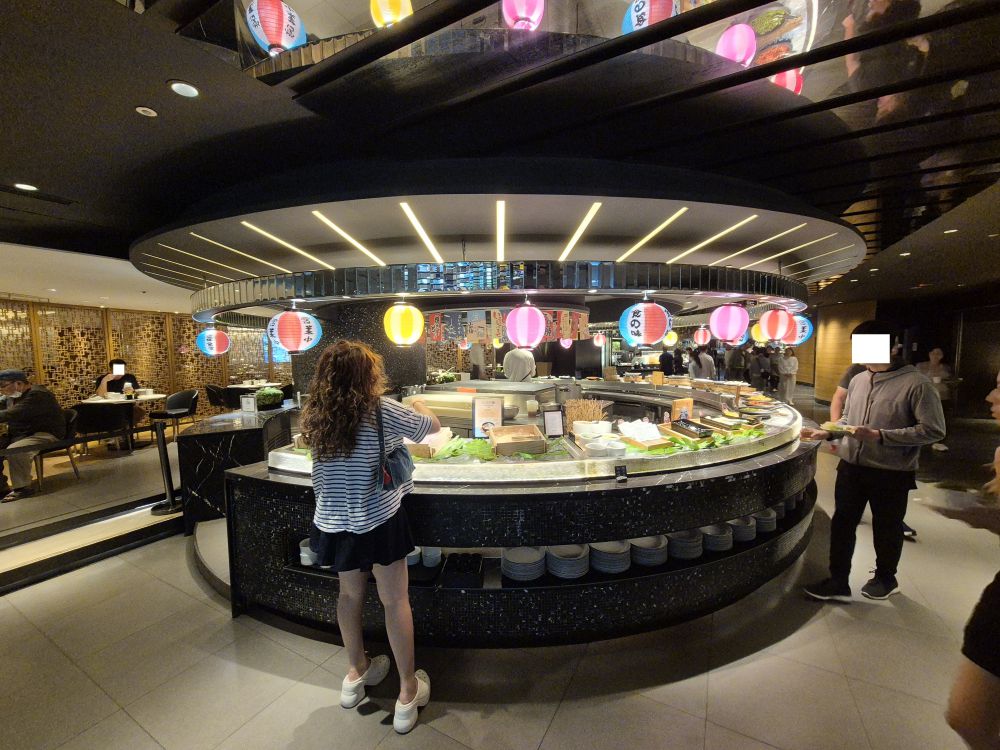
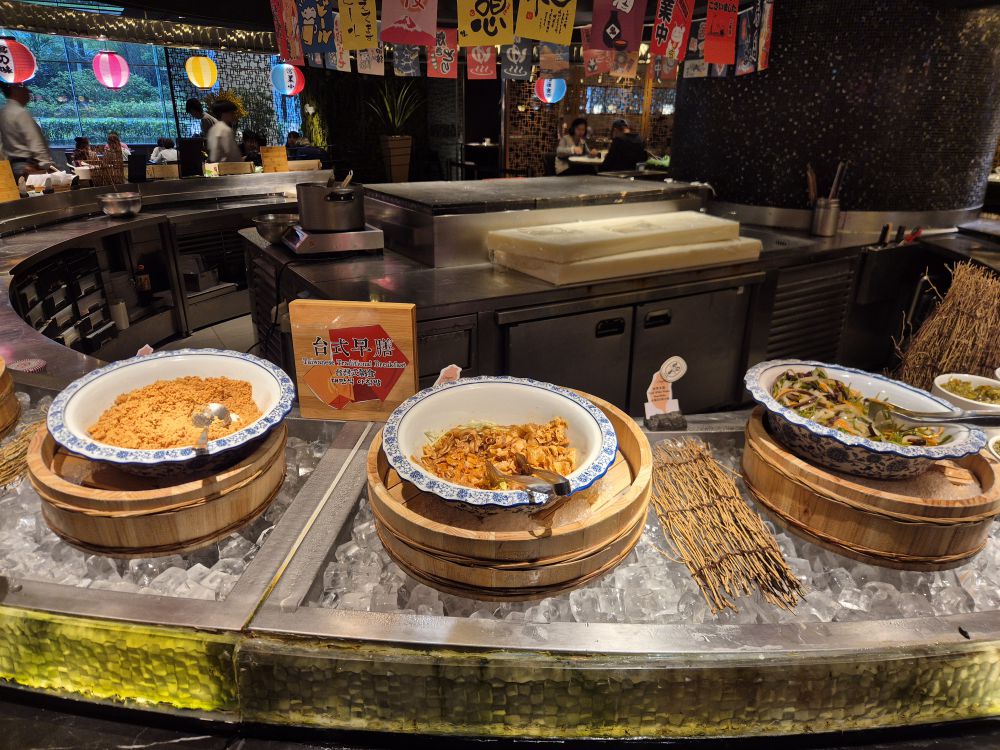
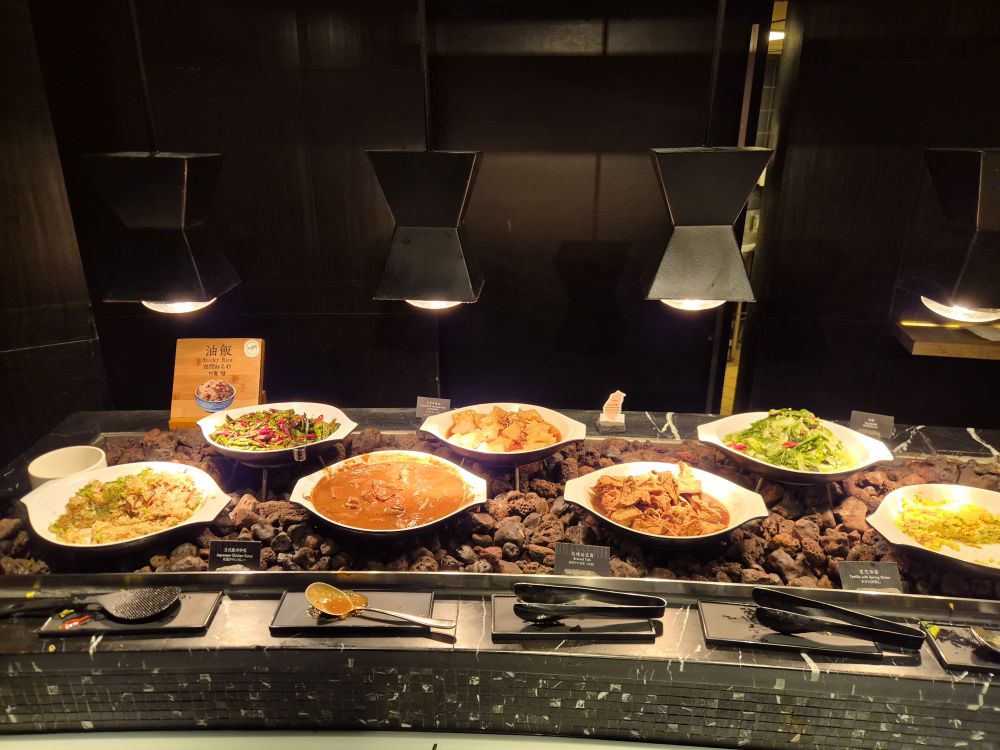
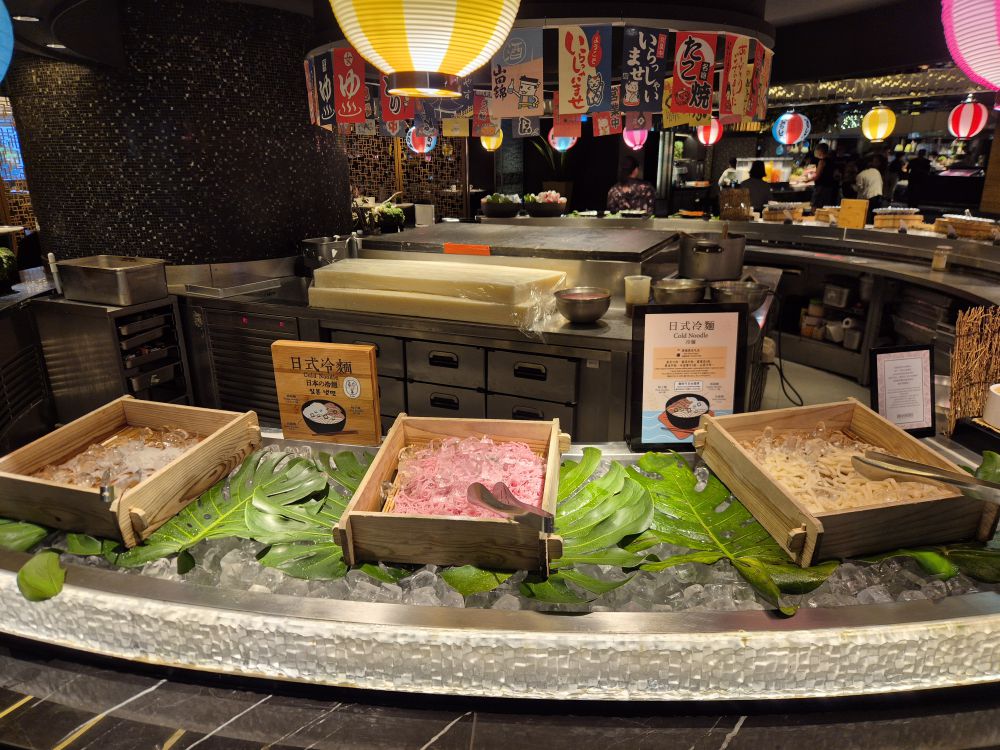
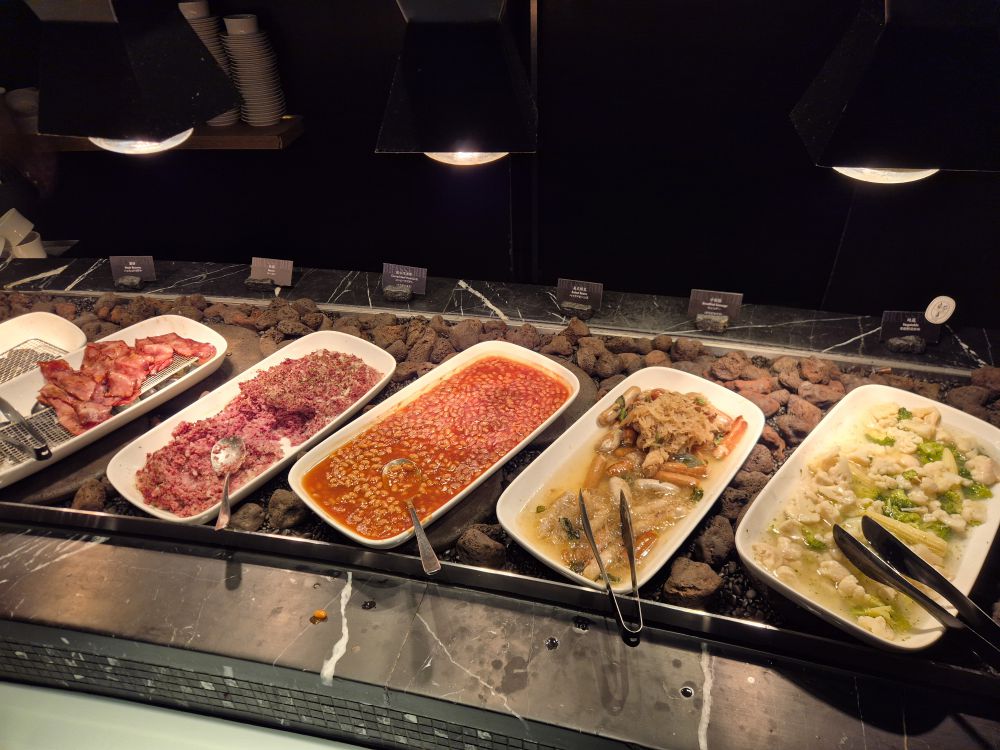
There were Japanese, Taiwanese, and Western dishes, alongside live noodle and egg stations.
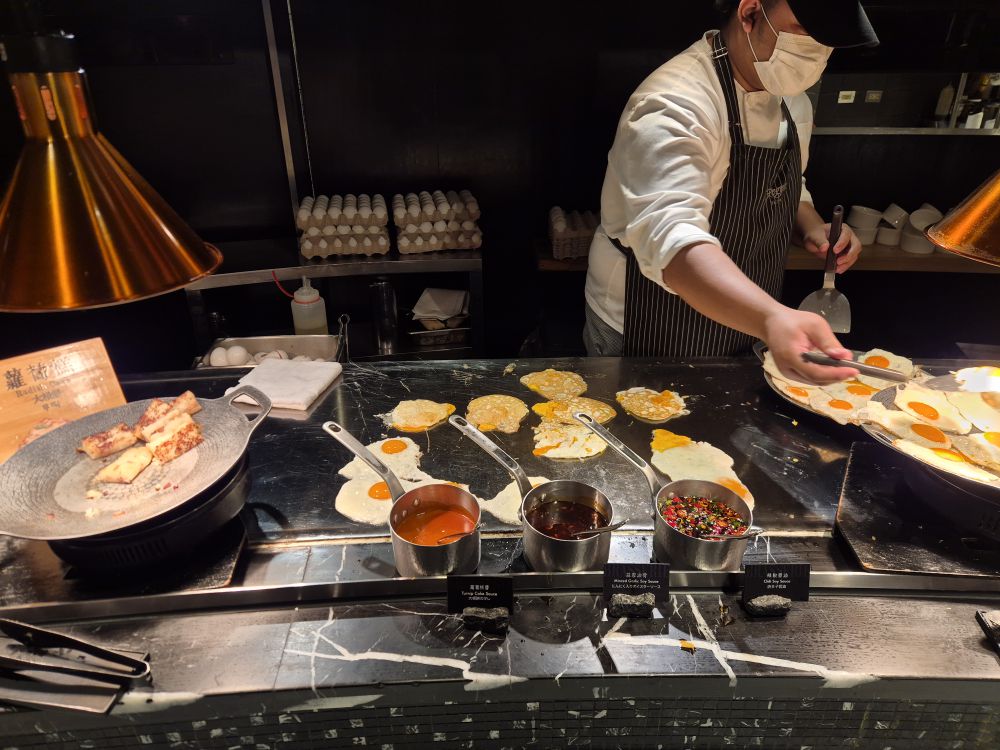
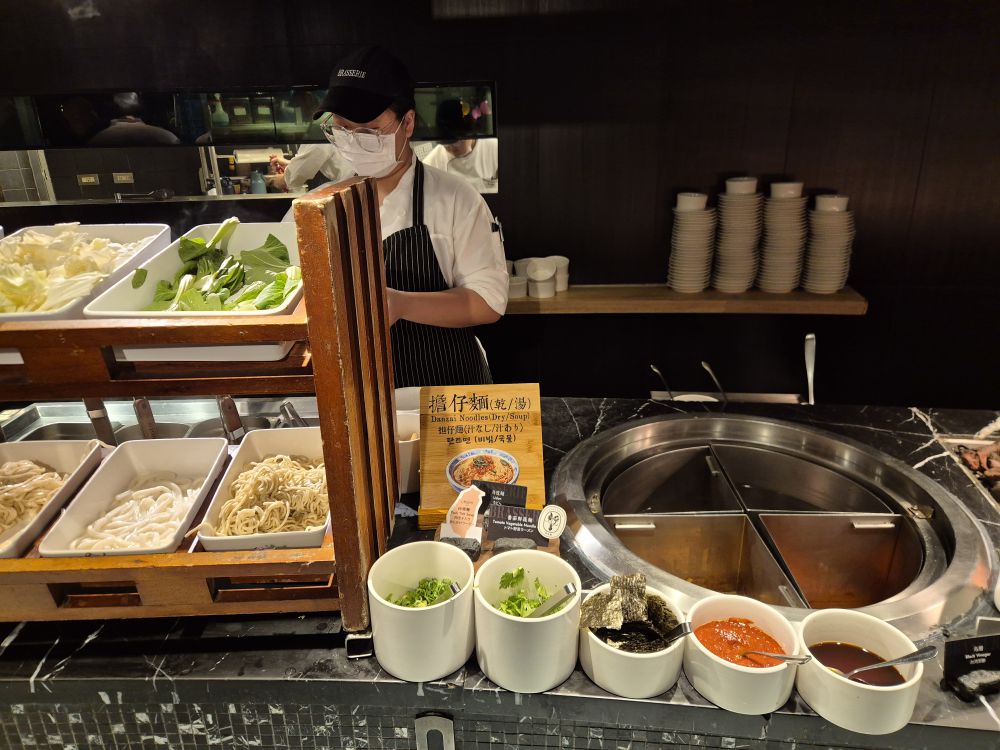
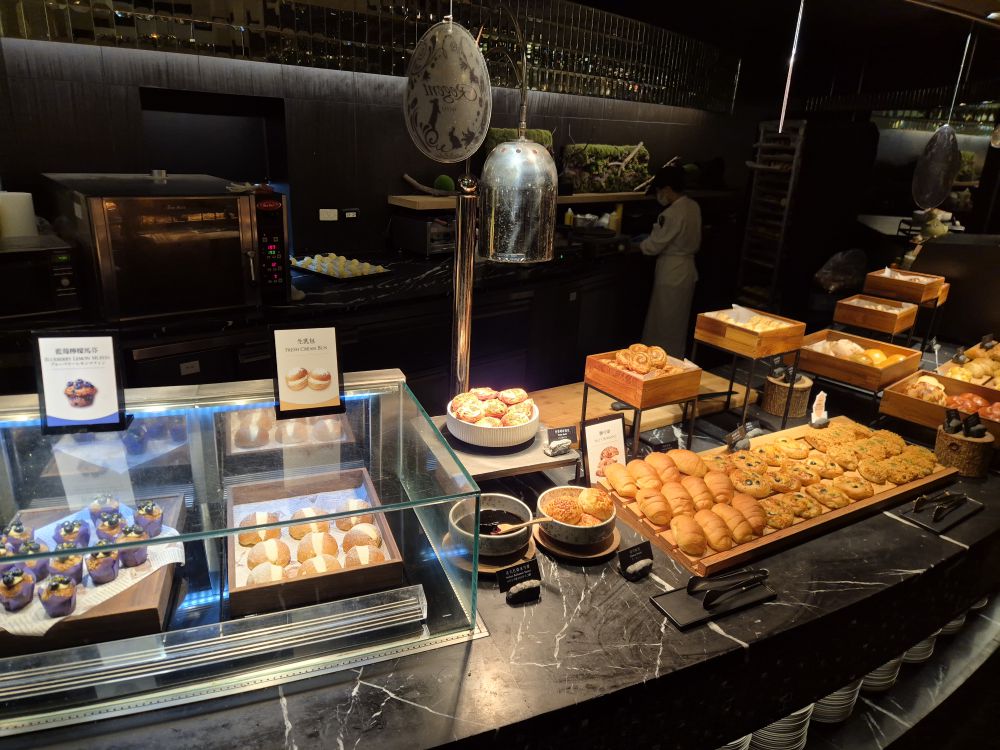
That said, I honestly didn’t find the food particularly amazing, though that may also be because I’d been overeating nonstop during the previous two weeks back in China. The one genuinely memorable item was a shiitake-shaped bun. It looked so realistic that I fully expected it to be the mushroom, only to discover it was actually a sweet red bean bun inside. Surprisingly good, too.
The Regent’s famous club lounge, the Tai Pan Lounge, has quite a reputation. However, if you’re using IHG annual lounge pass, you actually can’t enter it, and are instead directed to the fifth-floor Balcony Lounge.
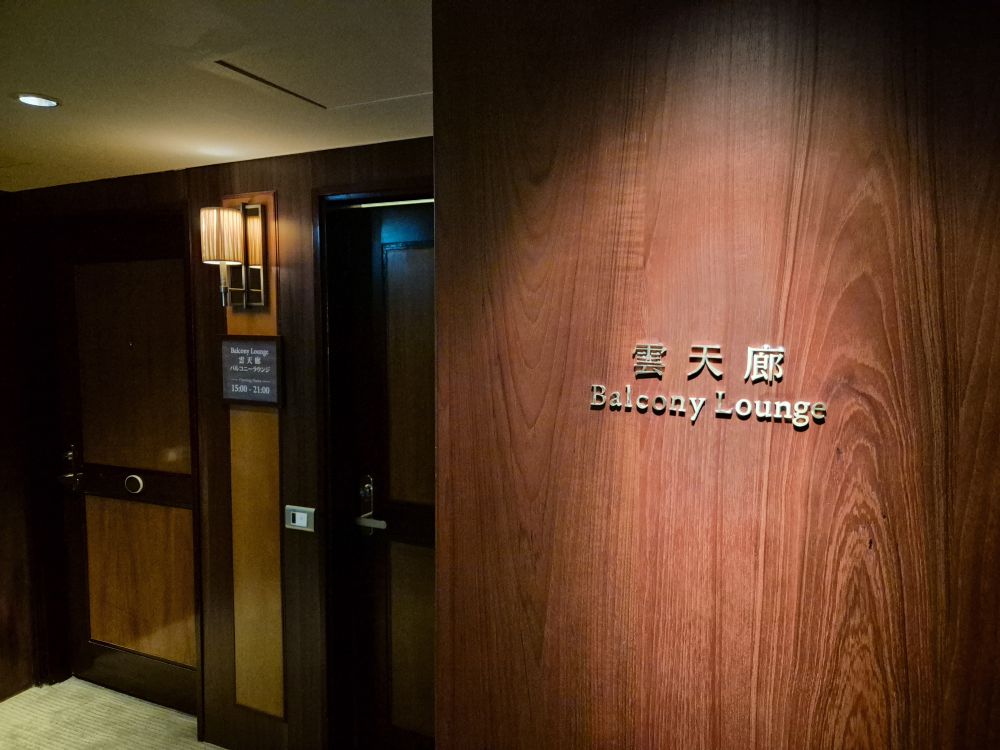
Apparently there isn’t much food there anyway. From what I understand, this Balcony Lounge was specifically created after IHG introduced milestone rewards, mainly as a workaround for elite members. Hotels pulling this sort of move aren’t completely unheard of, but it’s still very uncommon.
As for service – people always talk about how warm and hospitable Taiwanese hospitality is, but honestly I came away somewhat disappointed. The front desk staff during check-in and check-out were Japanese and Southeast Asian respectively, and neither spoke particularly fluent Mandarin. Most of the staff I encountered throughout the stay also didn’t strike me as especially warm or proactive – particularly coming right after my exceptional experience at the Westin Seoul.
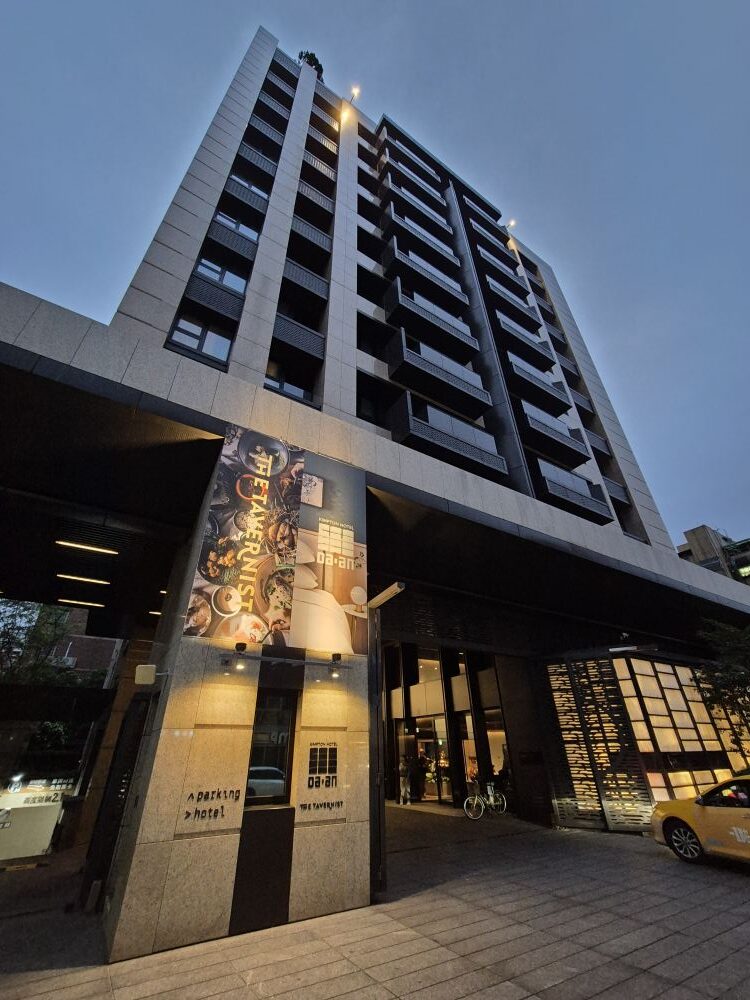
Anyway, enough about the Regent — time to move over to the Kimpton Da An. The Kimpton sits right next to Zhongxiao Fuxing Station, genuinely just one minute away on foot, making it far more convenient than the Regent. There’s also a small food street just north of Zhongxiao East Road, so finding meals nearby is easy. That said, the Blue and Brown MRT lines aren’t quite as universally useful as the Red and Green ones, and getting to some attractions requires transfers, though it’s hardly a major issue.
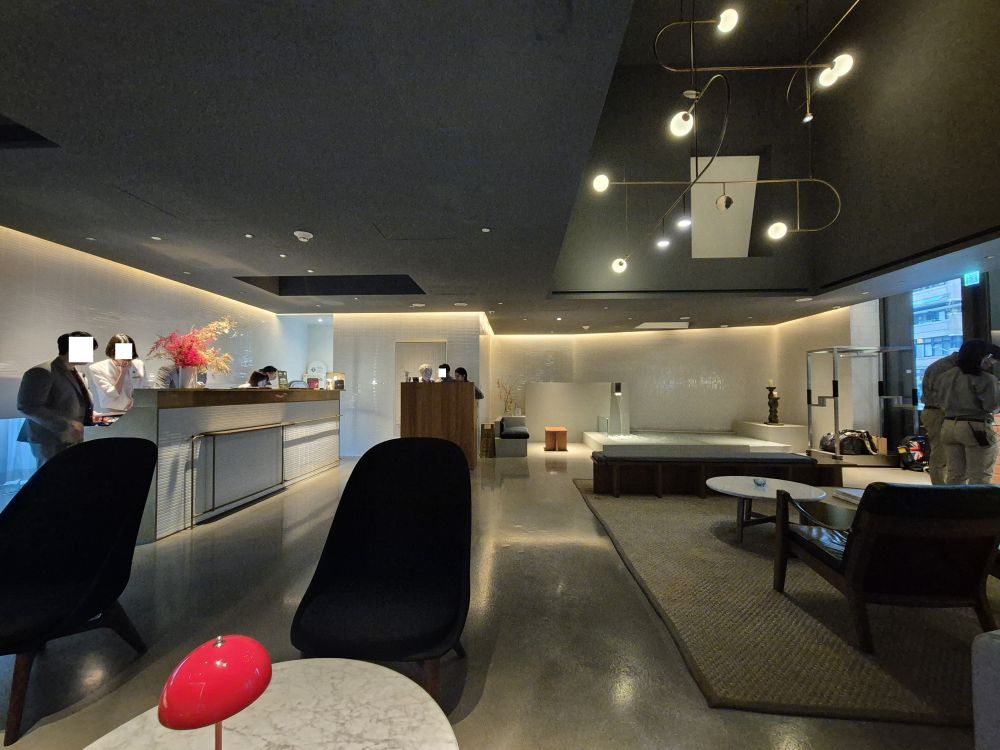
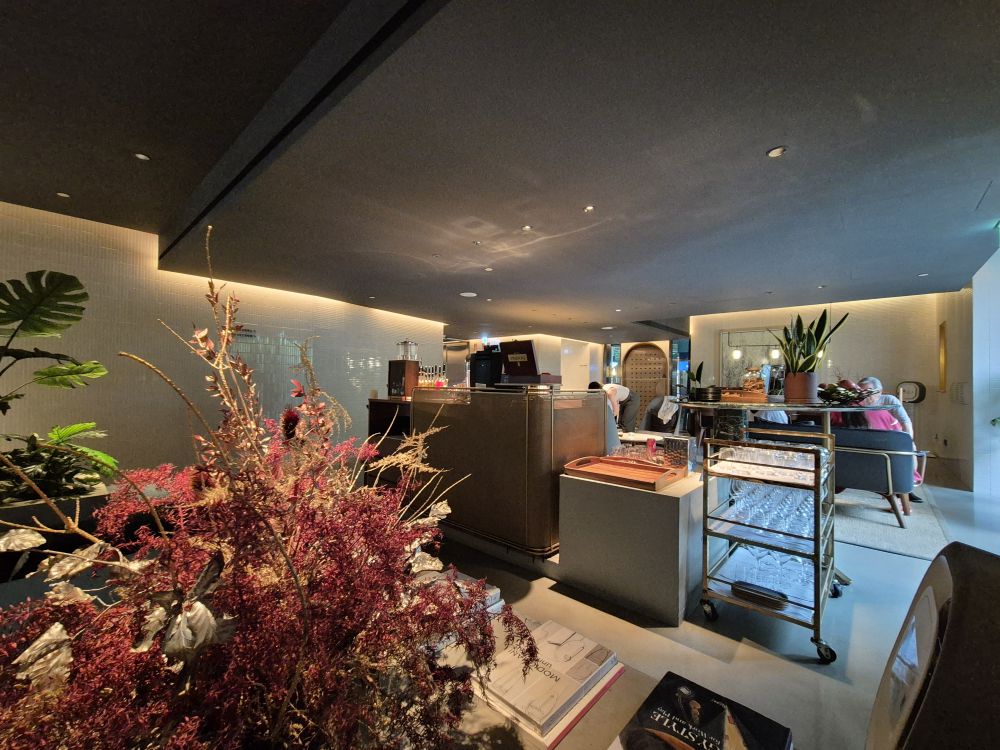
Kimpton is probably the most design-driven and personality-heavy brand within IHG, and this property is no exception. The hotel was designed by Shanghai-based Neri&Hu, centred around the concept of an “urban sanctuary”. Public spaces mainly use grey and white tones, creating a very calm and comfortable atmosphere.
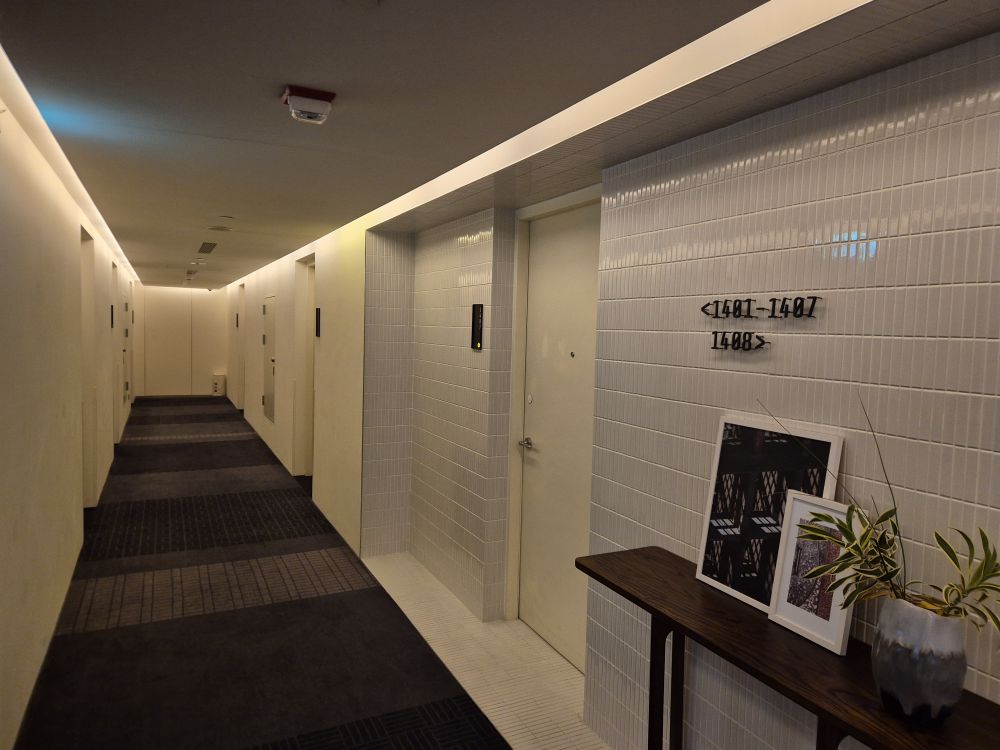
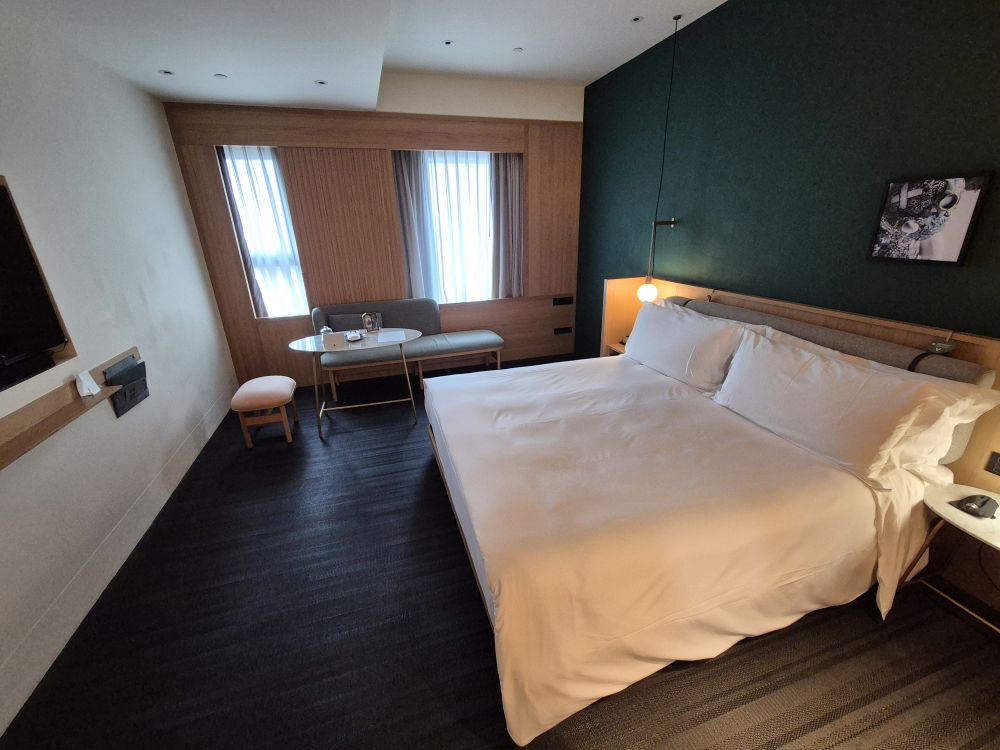
My room wasn’t upgraded this time, though since I was only staying one night I wasn’t too bothered.
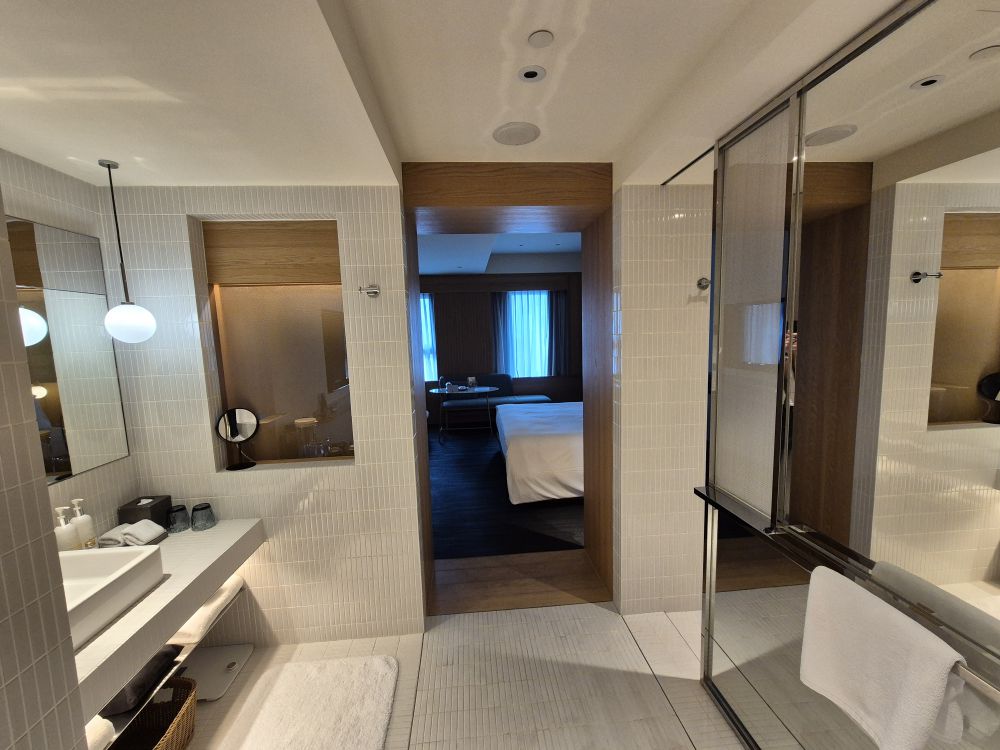
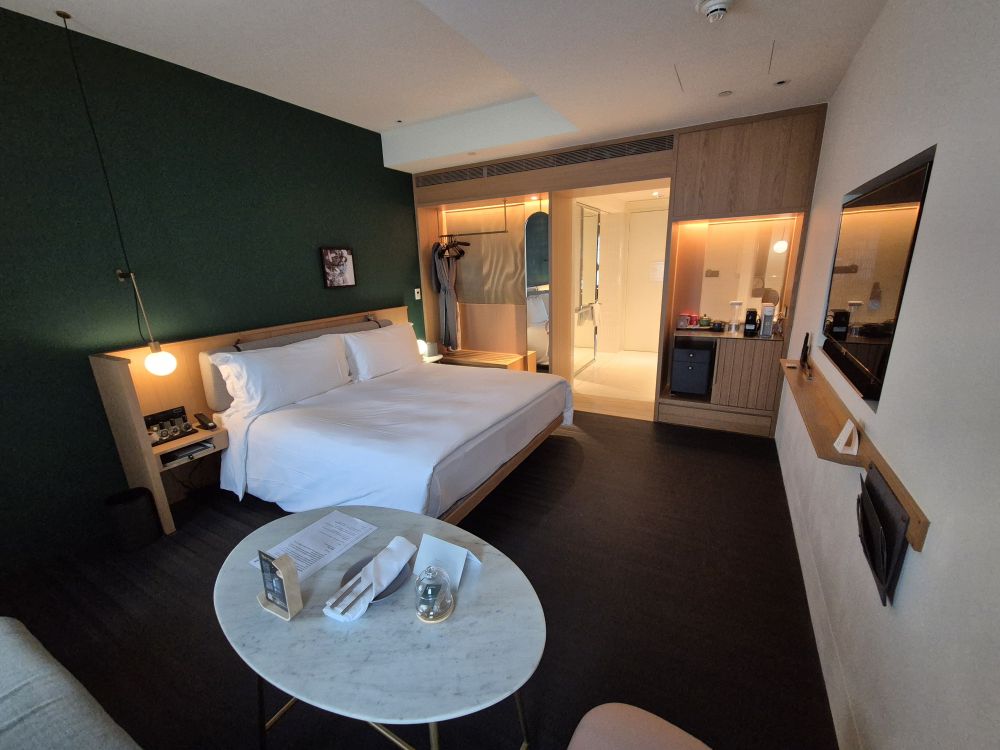
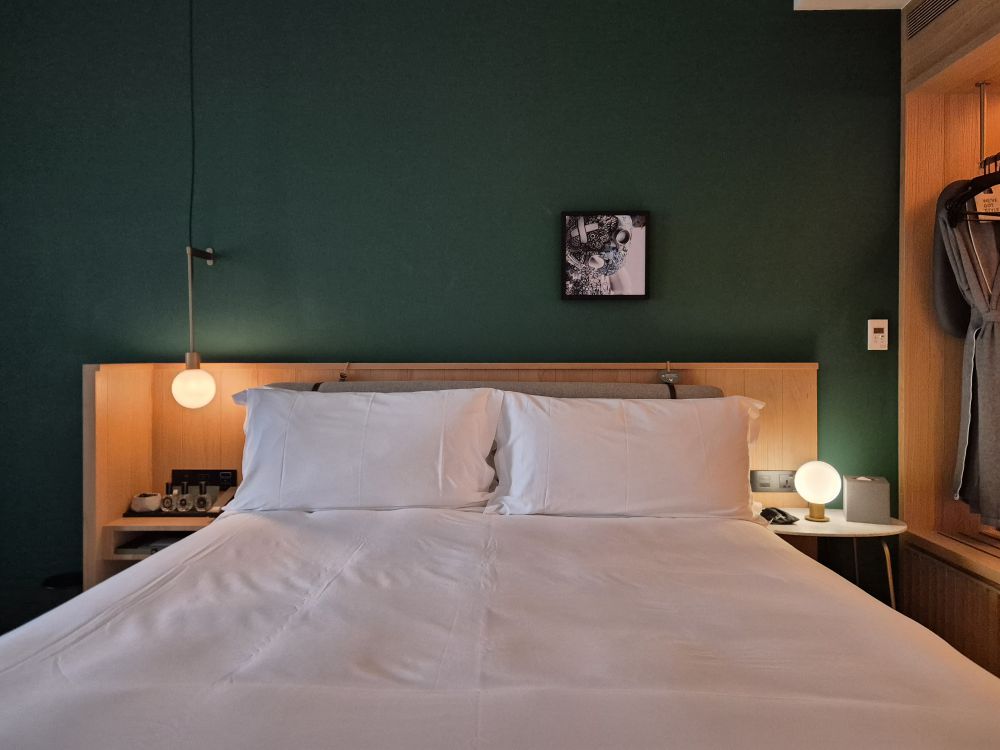
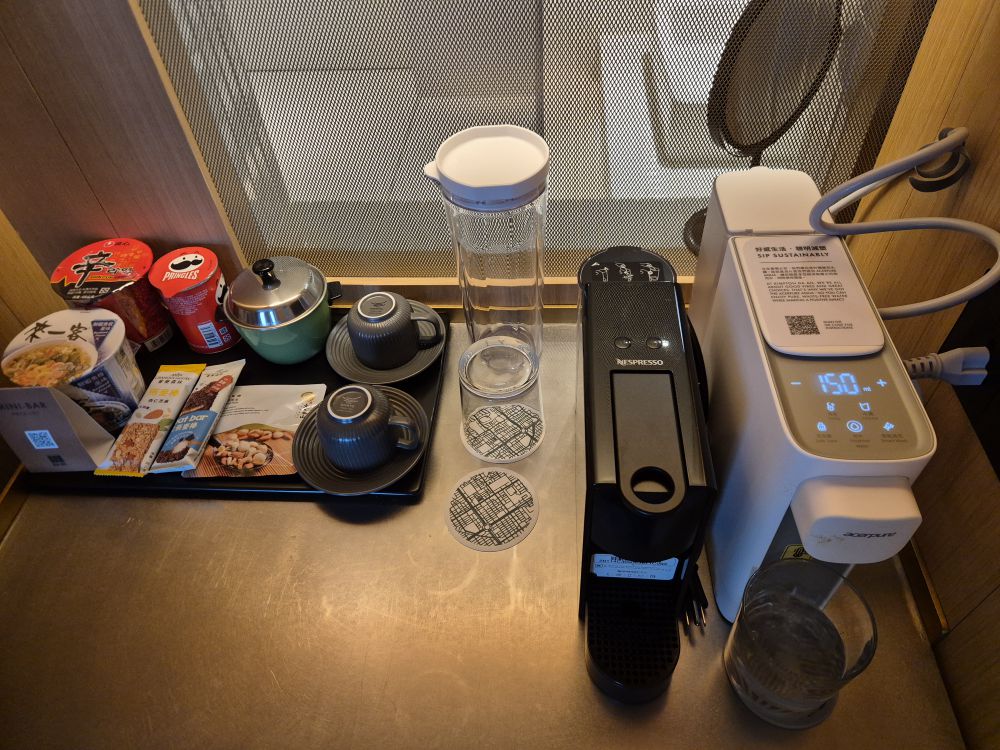
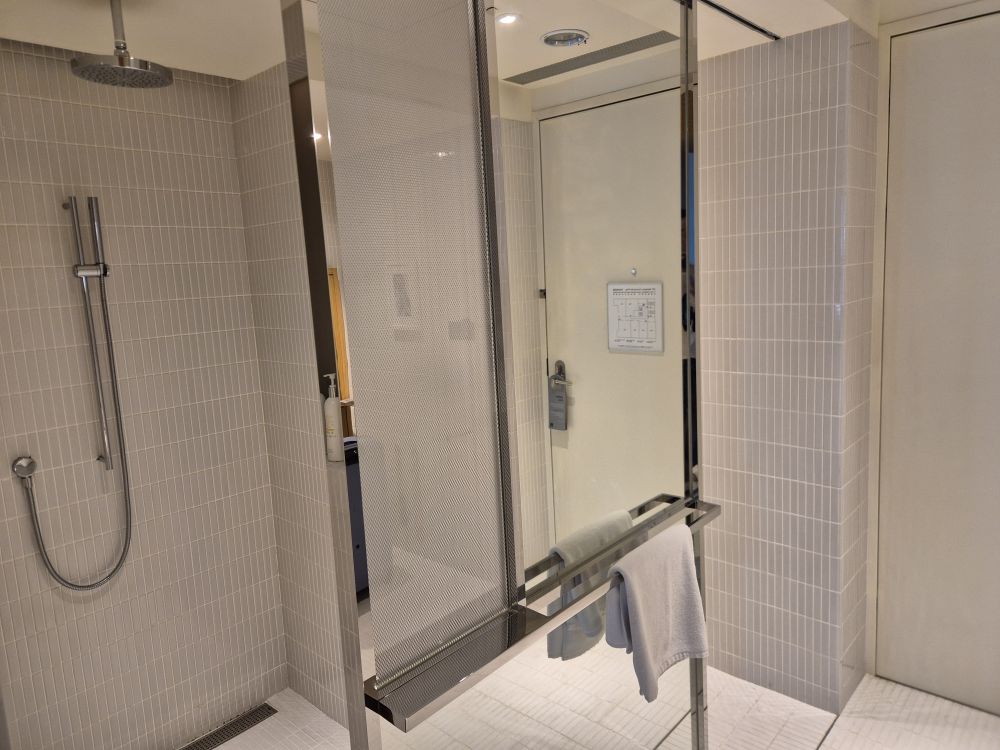
In keeping with the hotel’s environmentally friendly philosophy, bottled water isn’t proactively provided (though you can request it from housekeeping). Instead, rooms are equipped with filtered water dispensers.
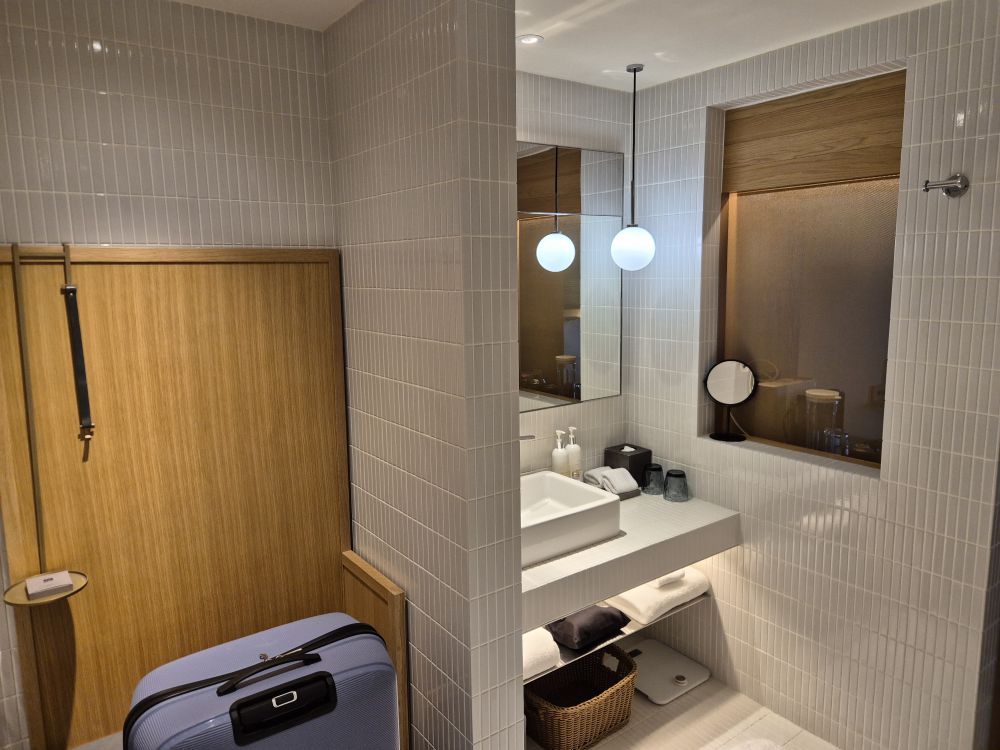
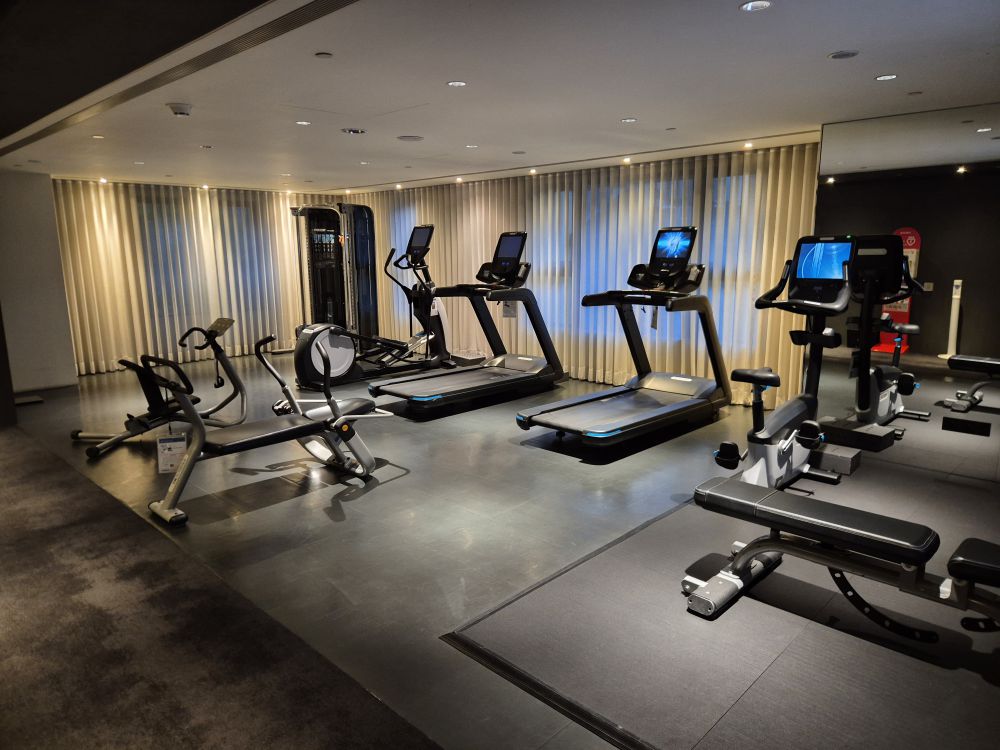
Being a relatively small boutique hotel, there’s no swimming pool or large wellness complex, but here’s a quick look at the gym.
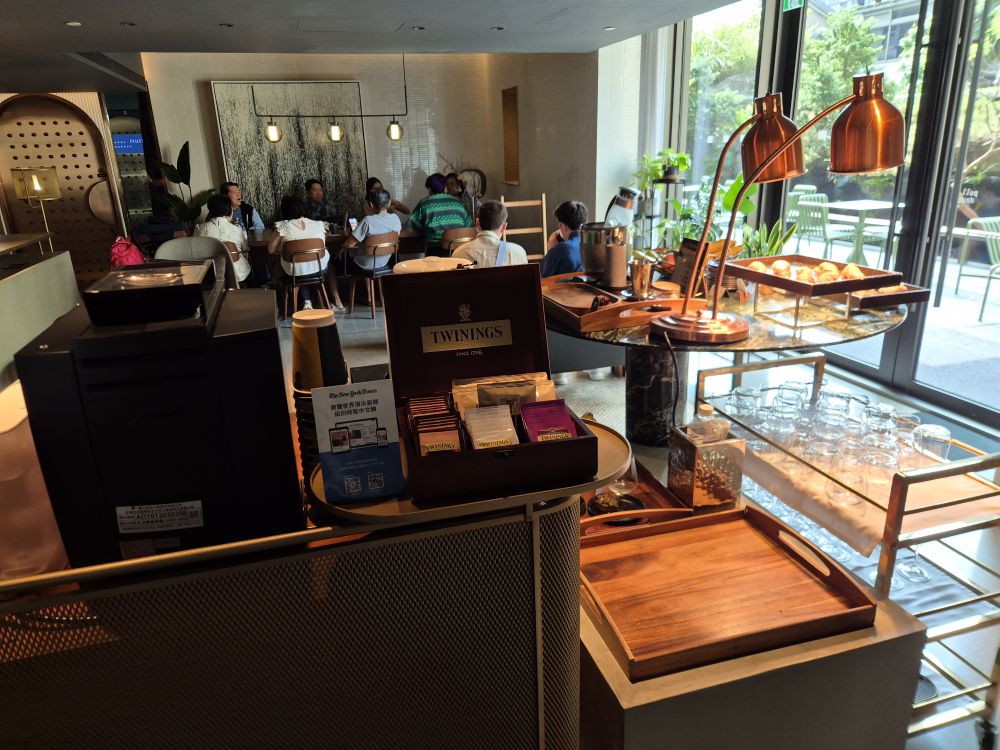
One signature feature of Kimpton properties is the daily social hour, where complimentary drinks and snacks are offered to all guests each evening. Kimpton Da An goes even further by also providing a light breakfast and afternoon tea.
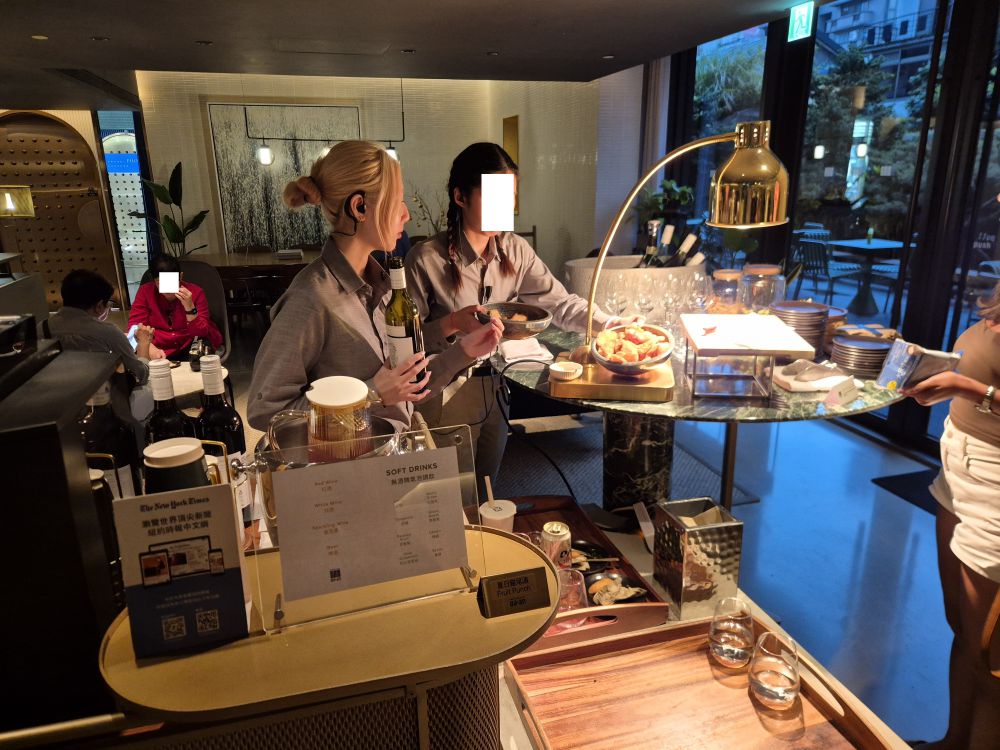
And when the weather is nice, the outdoor seating area is actually very pleasant.
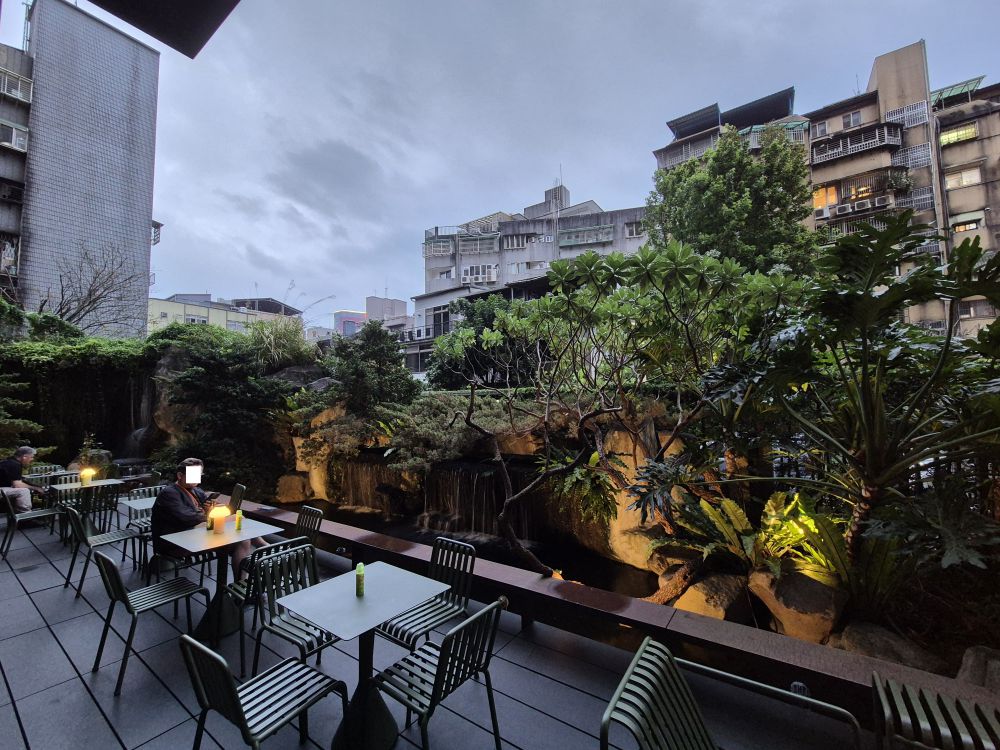
Of course, the full breakfast is still worth trying. Since the hotel is quite small, there’s only one restaurant on-site. I’d previously seen it described as “Michelin”, only to later realise it merely appeared in the Michelin Guide. The cuisine focuses on East-West fusion, which honestly isn’t entirely my thing.
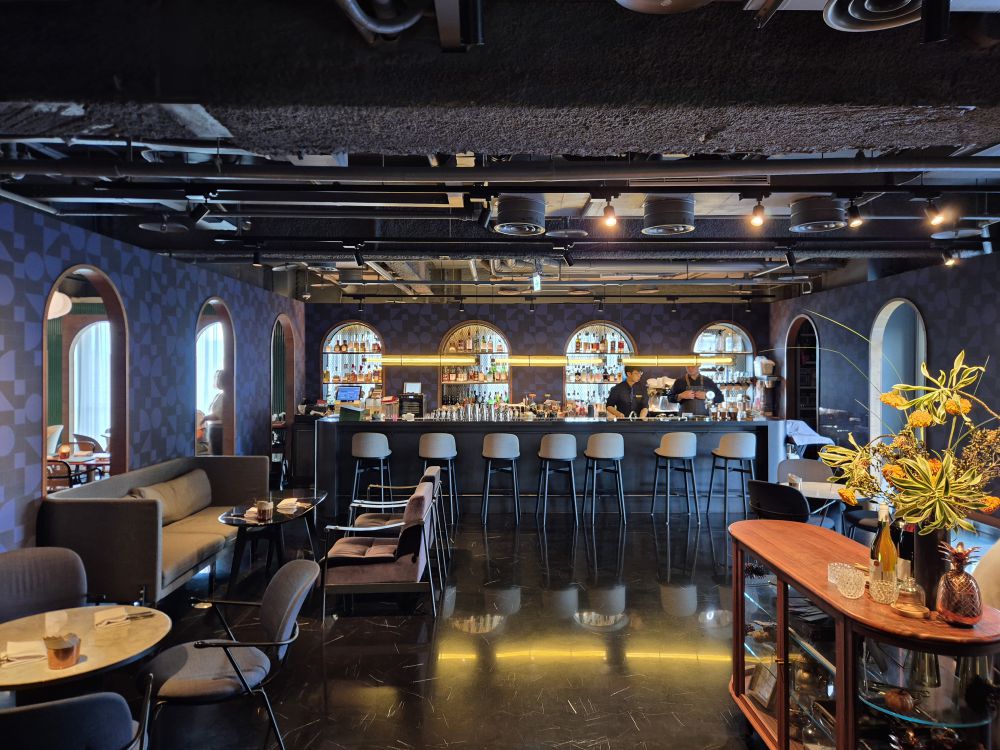
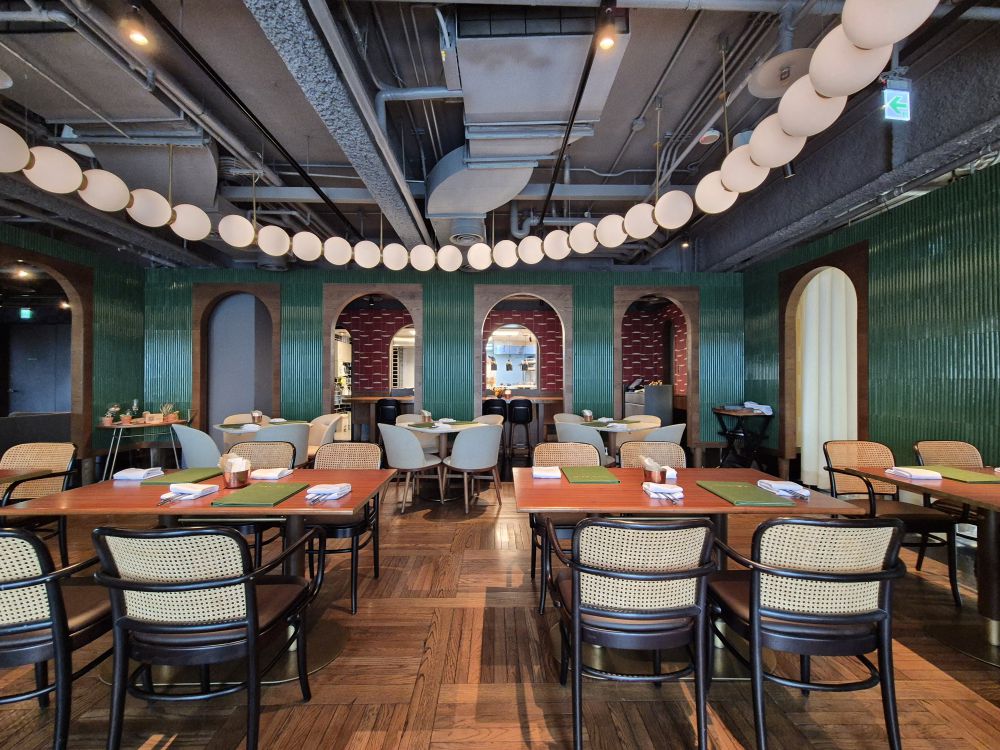
Breakfast here is fully à la carte, with both European and Asian options available.
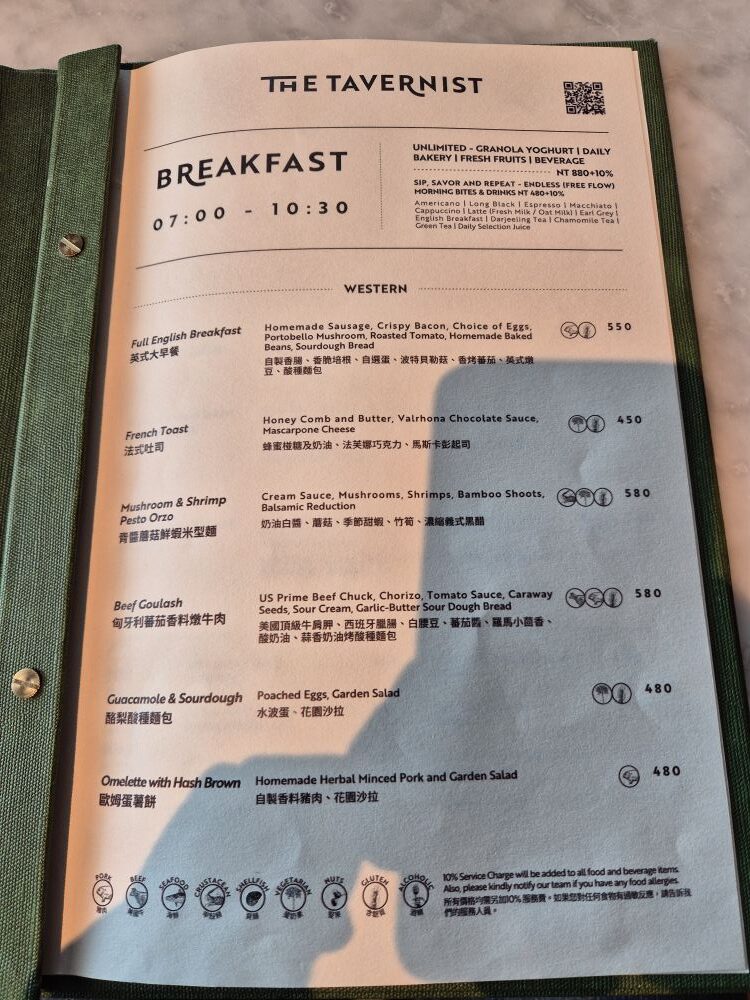
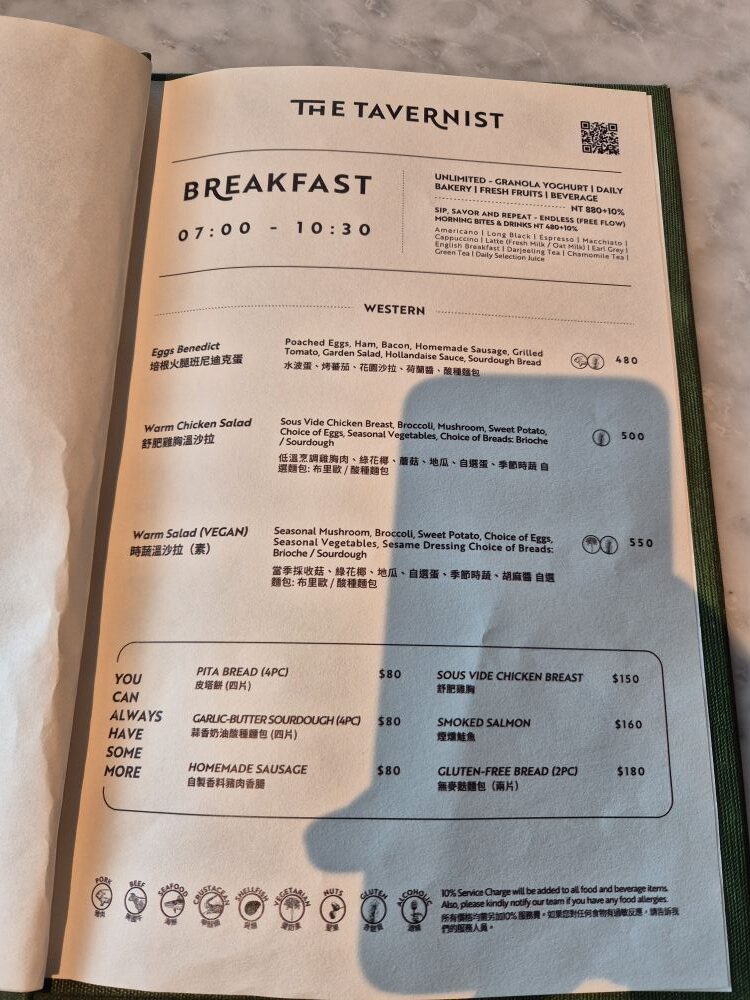
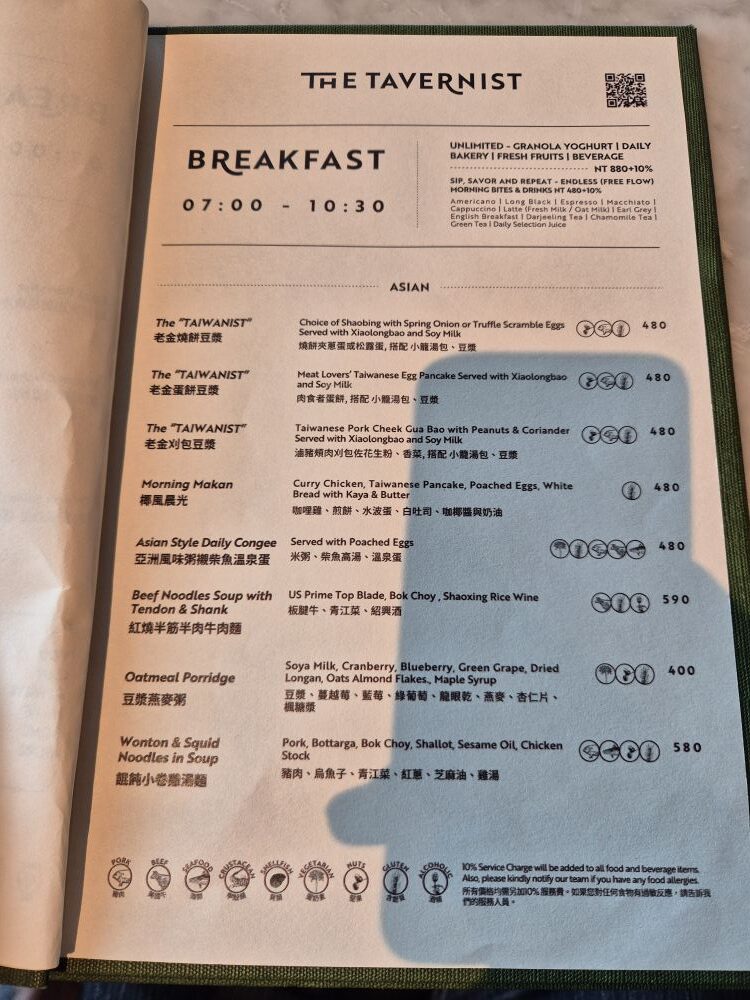
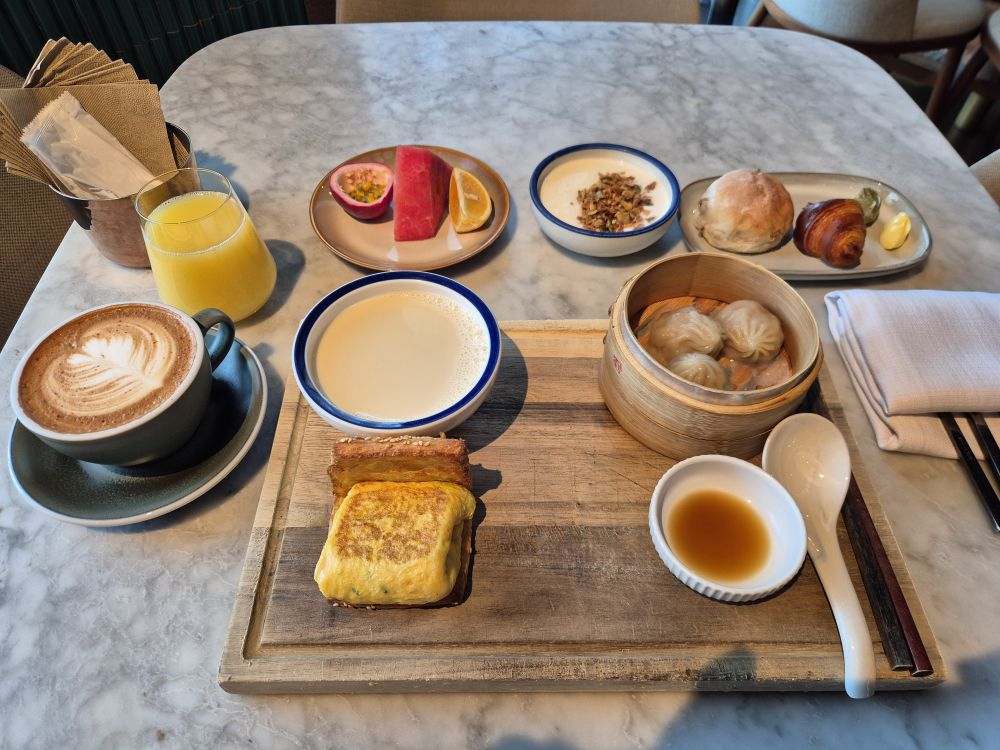
I was genuinely surprised to see goulash on the menu, which was the probably very first time outside Hungary. So many dishes sounded tempting, but in the end I ordered the baked sesame flatbread with xiaolongbao.
Beautifully presented, though flavour-wise it definitely leaned heavily into the “creative cuisine” side of things. Something safer like the beef noodles probably would have been the better choice for me.
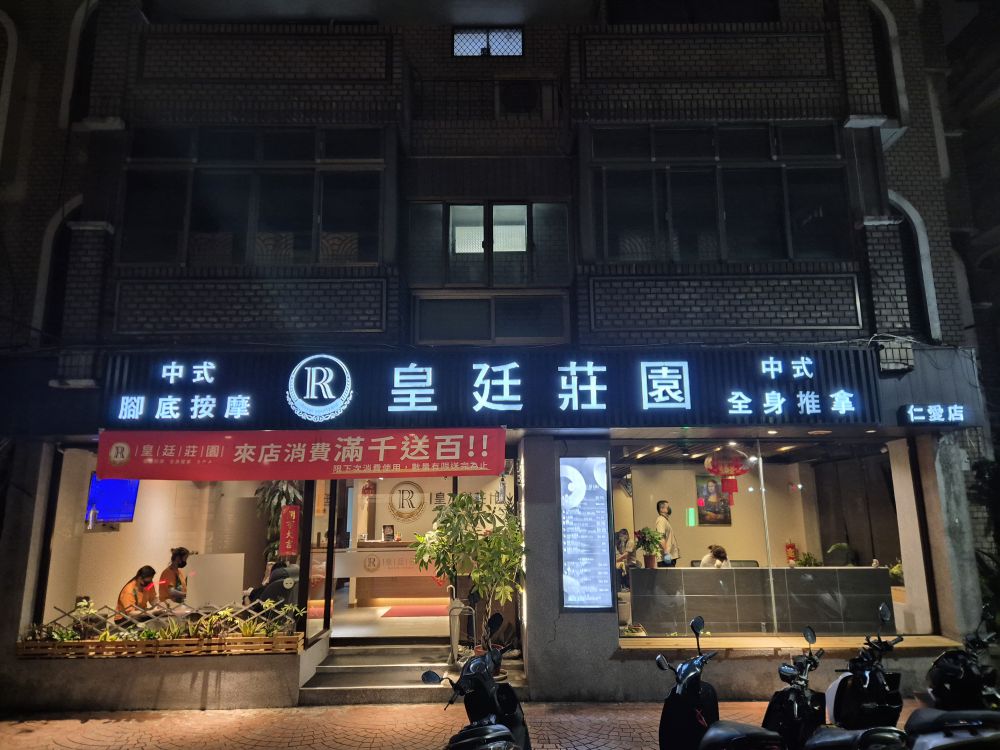
Oh, and directly opposite the hotel there’s a massage shop. I decided to try it, and the massage pressure was absolutely brutal, exactly the way I like it – very reasonably priced too compared to the UK.
So, to summarise: the Regent clearly has stronger hardware and facilities overall, especially if you care about things like swimming pools and saunas. But in almost every other aspect, the Kimpton felt superior, particularly when it came to service and overall warmth.






Recent Comments